ADELAIDE GAOL
THE LONGEST SERVING GAOL IN AUSTRALIA
In the Beginning
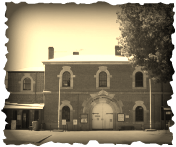
As most South Australians know, South Australia was founded as a free colony in 1836, not a convict colony. The first Gaol in the colony was the ship HMS Buffalo. It was moored at Glenelg and was used to hold prisoners. Eventually, the Buffalo was recalled back, leaving the colony in 1837. The next attempt for a prison was a tent on the banks of the River Torrens and the prisoners were chained to logs to stop them from escaping. By 1838, a wooden hut was erected, surrounded by a wooden fence. The hut was located in the current Government House grounds (north-west corner of the Government House gardens). The small hut could only accommodate eight prisoners, but was more often over-crowded and there were many escapes. Early newspaper reports mention prisoners being drunk at the Gaol site. Liquor was easily obtained because of the temporary conditions.
By 1840, Governor Gawler called for tenders to build a substantial Gaol. The Gaol was designed by George Stickland Kingston and contractors Borrow and Goodiar were given the go-ahead to build the new structure. A sum of 17,000 pounds was made available to build the gaol - a huge amount of money for that time. Yet by early 1841, nowhere near finished, the costs had exceeded this figure. The contractors went to court over the disputed payment for work completed. Governor Gawler was recalled back to England to explain the high costs of the Gaol. The Governor was criticized and ridiculed over the cost blowouts and the need for such a large prison in a free colony. Although, years later, the Governor was vindicated for building a Gaol so large.
By 1841, the Gaol was only half completed, with no money left to finish it. Even though the Gaol was only half completed, prisoners were moved in during March 1841. All that was finished at this stage was the present day Yards 4-5-6 (back then numbered Yards 1 and 2), part of the front administration building, solitary block, kitchen in Yard 3 and the original cell-block in Yard 4, that were demolished in the early 1860s and replaced with two story cell-blocks. The original stone for the Gaol came from North Terrace, west of the Morphett Street Bridge, behind Government House. Later, stone would come from Yatala Prison, and a number of other sites around Adelaide.
The first Governor of the Adelaide Gaol was William Baker Ashton who lived up stairs with his family. Originally, he came to South Australia to take up a senior position in the newly formed police force. After arriving in South Australia, he was appointed to the office of Governor of the Adelaide Gaol. Ashton treated the prisoners well for the time and, at one stage, the Gaol was known as " Ashton's Hotel". Ashton died in office. He was found dead in bed, dying during the night. It was believed that due to his very large body, it was impossible to bring him down the very narrow, steep staircase, so it was lowered out of a top window into the circle area.
In the early years of the Gaol, prisoners were brought into the Gaol in horse drawn wagons. They were driven into the Sally Port, were the prisoners were unloaded in the circle lane way.
The Gaol bell was cast in Hull, England in 1837, then shipped to South Australia as a gift for the new colony's gaol. The bell was rung to tell everyone to get up in the morning, go on lunch break and lock up. It was also rung during an execution, for two minutes until 1930. This practice was stopped because it caused to much distress amongst the prisoners.
By 1840, Governor Gawler called for tenders to build a substantial Gaol. The Gaol was designed by George Stickland Kingston and contractors Borrow and Goodiar were given the go-ahead to build the new structure. A sum of 17,000 pounds was made available to build the gaol - a huge amount of money for that time. Yet by early 1841, nowhere near finished, the costs had exceeded this figure. The contractors went to court over the disputed payment for work completed. Governor Gawler was recalled back to England to explain the high costs of the Gaol. The Governor was criticized and ridiculed over the cost blowouts and the need for such a large prison in a free colony. Although, years later, the Governor was vindicated for building a Gaol so large.
By 1841, the Gaol was only half completed, with no money left to finish it. Even though the Gaol was only half completed, prisoners were moved in during March 1841. All that was finished at this stage was the present day Yards 4-5-6 (back then numbered Yards 1 and 2), part of the front administration building, solitary block, kitchen in Yard 3 and the original cell-block in Yard 4, that were demolished in the early 1860s and replaced with two story cell-blocks. The original stone for the Gaol came from North Terrace, west of the Morphett Street Bridge, behind Government House. Later, stone would come from Yatala Prison, and a number of other sites around Adelaide.
The first Governor of the Adelaide Gaol was William Baker Ashton who lived up stairs with his family. Originally, he came to South Australia to take up a senior position in the newly formed police force. After arriving in South Australia, he was appointed to the office of Governor of the Adelaide Gaol. Ashton treated the prisoners well for the time and, at one stage, the Gaol was known as " Ashton's Hotel". Ashton died in office. He was found dead in bed, dying during the night. It was believed that due to his very large body, it was impossible to bring him down the very narrow, steep staircase, so it was lowered out of a top window into the circle area.
In the early years of the Gaol, prisoners were brought into the Gaol in horse drawn wagons. They were driven into the Sally Port, were the prisoners were unloaded in the circle lane way.
The Gaol bell was cast in Hull, England in 1837, then shipped to South Australia as a gift for the new colony's gaol. The bell was rung to tell everyone to get up in the morning, go on lunch break and lock up. It was also rung during an execution, for two minutes until 1930. This practice was stopped because it caused to much distress amongst the prisoners.
Sally Port
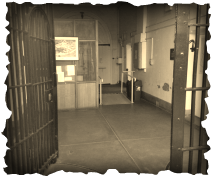
Sally Port is a part of the administration building and was constructed in 1841. In the 19th Century, prisoners were brought to the Gaol in horse-drawn wagons. They were driven into the sally port and unloaded in the Circle and prisoners were processed.
The Sally Port was also used as a "visitors' centre" until the late 1950s. A brass rail crossed the Sally Port, visitors would stand back from the rail and the prisoners stood outside the iron gateway. It was said that the noise was like a cattle auction.
The Sally Port was also used as a "visitors' centre" until the late 1950s. A brass rail crossed the Sally Port, visitors would stand back from the rail and the prisoners stood outside the iron gateway. It was said that the noise was like a cattle auction.
Circle
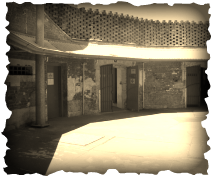
This area was shaped like a circle so the horse drawn carts and wagons bringing in prisoners were able to turn around. This area, at one stage, had a well that provided drinking water to the gaol until it was sealed up due to the poor heath it caused. The water in the well was contaminated, due to its close proximity to the River Torrens - which was also polluted - and the burying of Gaol waste. There was always a guard assigned in the circle. He had control of the keys that opened all the yards. There were no locks on the inside of the yard doors; they could only be unlocked by officers in the circle with the keys. If a officer was inside one of the yards, he would knock the equivalent number of times to the yard he was in - this would indicate to the officer in the circle which yard to open. As a laugh, some prisoners would knock on the doors to confuse the circle officer. In the 20th century, a light and bell system was intoduced.
Laneway cellblock
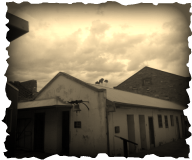
The lane way cell-block was built in 1841 as a solitary confinement block. In the 1970s, it was refurbished, the northern side became the open area in the Remand Centre, the lane way cells were turned into interview rooms and the VJ room was for justices to listen to prisoners' complaints or charges being laid against prisoners.
Chapel
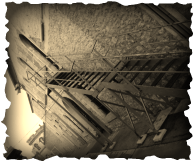
The chapel is situated at the top of the stairs, to the left of the Sally Port, in the main laneway. At one time, it was compulsory to attend, later becoming optional. Different denominations would meet on different days. Even when it was not compulsory, most prisoners would attend the services. One reason the services were so popular was that the stairs leading up to the chapel was the only part of the Gaol that the prisoners could see the women prisoners' yards.
Visitors Centre
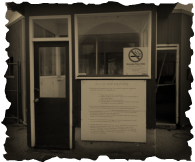
The Visitors Centre was partly completed in 1958, replacing the old system in the Sally Port. The Visitors Centre was modified with double mesh screens in an attempt to stop drug trafficking and the passing of unauthorized contraband. Later, perspex screens replaced the mesh screens. A roof was erected onto the Visitors Centre in 1977 to protect the prisoners and visitors from the weather and to stop visitors throwing contraband to prisoners on the other side.
Surgery
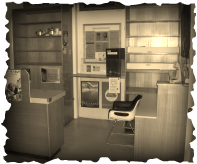
The Surgery was built in the early 1950s. Prior to this, a prisoner had to be ill or in pain before they could see a doctor. There were no full time medical staff at the Gaol - they were called in when required. After the Surgery was implemented, a doctor was in regular attendance. Prisoners were able to ask for a doctor or dentist at muster parades in the morning.
Yard 1
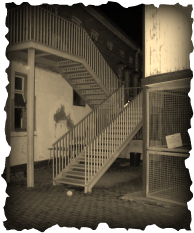
The cell block in Yard 1 was built in 1850 to house women prisoners. Over time, it had a variety of uses. After 1969, it was upgraded to accommodate prisoners, then was closed off and fell into disrepair. In the late 1970s and 1980s, it was used to hold prisoners suffering from communicable disease such as measles, gastroenteritis, flu etc. It was also used to hold first time offenders and remandees.
Yard 2
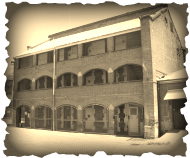
Yard 2 was originally the women's section from 1849 to 1969 when they were transferred to Northfield Women's Rehabilitation Centre. Before 1849, the women were placed in any cell around the Gaol, without any consideration for the women's' needs. Governor William Baker Ashton's wife, Charlotte, was the first women's Matron at the Gaol. The first two storeys of the cell block were built in 1858 and a third story added in 1880, for additional accommodation space. Adjacent to the cell-block is the large cells and a workroom for women prisoners to do the sewing and repairing of Gaol clothing. In the early days of the Gaol, it was Gaol policy that men were not allowed to look upon the face of a female prisoner. This was to preserve the female's identity and respectability; it also reduced the possibility of the female prisoner being identified outside the gaol by a released male prisoner.
The three story cell-block held Elizabeth Woolcock, who was the only woman to hanged in South Australia for the murder of her husband, Thomas Woolcock of Moonta, by mercury poisoning. She was hanged between the inner and outer walls on the portable gallows on the 30th December 1873.
After the women had exited the gaol, the yard was used for "protectee" prisoners requiring safety from others within the gaol. This yard was also known as the "Dogs' Yard".
The three story cell-block held Elizabeth Woolcock, who was the only woman to hanged in South Australia for the murder of her husband, Thomas Woolcock of Moonta, by mercury poisoning. She was hanged between the inner and outer walls on the portable gallows on the 30th December 1873.
After the women had exited the gaol, the yard was used for "protectee" prisoners requiring safety from others within the gaol. This yard was also known as the "Dogs' Yard".
Yard 3
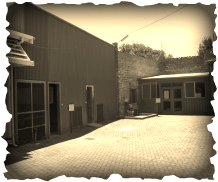
Yard 3 was occupied by the female inmates until 1969. There are a number of small buildings in this yard. The original Gaol kitchen, built in 1841, is situated at the rear of the yard. This small building was also used as a store and an Education Centre. A library was built in the early 1970s that held approximately 1000 books and was linked to the State Library. The Induction Centre was built after the female inmates left and operated until the Gaol's closure in 1988. A rose garden was planted by female prisoners in 1932. The men took over the garden when the female prisoners left the Gaol
Yard 4
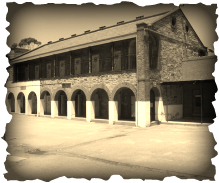
Yard 4 has a original 1841 cell-block. It had a number of uses; a barbershop, canteen, a wash room, bathroom and wood storage. The cell-block could house up to twelve prisoners. Until 1854, males and females were locked up next to each other. In later years, the cell block was also used as a recreation and mess room. Just inside the gate is a Telecom phone booth. Prisoners could obtain tokens from the canteen to make phone calls. Cell block "D" was built in 1861, Cell Block "C" was built in 1862. Yard 4 also contained two condemned cells. A Gym area was set up in the early 1980s, to promote fitness and good health.
Yard 5 - 6
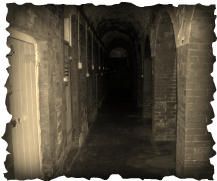
Originally, Yard five and six were two separate yards. Up until 1943, there were debtors in in Yard 5. Many of these of these debtors were not criminals - some were there for not paying bills, or rent. Children under 18 have also been kept in yard 5 and used the top landing during the day time to keep them away from adult prisoners. The dividing of the walls were removed in the 1970s to make a single yard.
Remand Cell Block and Mess area
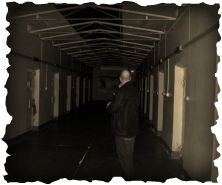
The Remand cells and Remand Cell-block was built in 1871 and were the first cell blocks to face into the central corridor. The construction of the Remand Cell-block blocked out the line of site of the original watch tower. As the towers were obsolete, they were converted to guard's residences. In the 1960s, a prisoner was commissioned to do a number of paintings in the mess area (now the remand museum display area). These paintings were painted from memory and many of the smaller ones were painted from magazines, including Reader's Digest.
The skylight above the Remand Cell Block, which was considered innovative at the time, was to heat up the cell block during winter. But in the hot South Australian summers, it was unbearable for all.
The skylight above the Remand Cell Block, which was considered innovative at the time, was to heat up the cell block during winter. But in the hot South Australian summers, it was unbearable for all.
Watch Towers
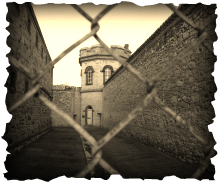
The original plans show there were supposed to be three watch towers but, due to a blowout in the budget, only two were built and only one was fully completed. The over capitalization of the towers contributed to the new colony being bankrupted in the early 1840s. Reports show the gothic faces on the towers and the entrance to the Gaol cost a whopping 700 pounds each. The builders cost for the two towers were 4,800 pounds each. At the time, an average house would only cost 300 pound. The builders blamed this high cost on a shortage of labour, saying that they had to pay their workers 1 pound per day.
Hanging Tower
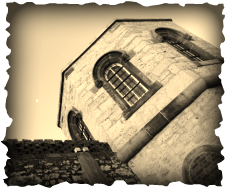
The Hanging tower was originally one of the two original Watch Towers. It had a number of uses over the years. When the two story buildings were erected, it became obsolete as a watch tower and was converted to guards' accommodation. In the early 1950s, it was converted to a execution tower. Between 1953 and 1964, four prisoners were hanged in the tower.
Laneway Southside.
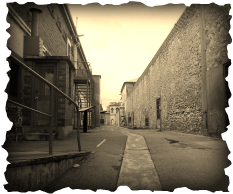
Boiler Room and Laundry: The boiler and laundry was staffed by inmates and supervised by Gaol guards. Prisoners stoked the boilers to heat the laundry, kitchen and showers. Not only was the Gaol's laundry cleaned and pressed at the gaol, the laundry was at times used by other Government institutions, such as hospitals.
Bakehouse: The bakehouse made bread and cakes not only for the Gaol but other prisons around Adelaide. It also baked for the Supreme Court. The inmate bakers worked in shifts and the bakery itself was kept spotless when in operation. Working in the bakehouse was considered one of the better jobs at the Gaol. Some inmates would use the experience gained in the Gaol to get jobs when they were released.
New Kitchen: The new kitchen was built in the 1970s at a cost of $100,000.. Prior to the 1950s, the Gaol food was very bland - the poor diet caused diarrhea and other health problems. After 1955, prison food improved remarkably. Fresh food, such as fruit and vegetables, were included in the diet. By 1976, the food at the Gaol was of a high standard..
Dormitory: The early structure (cells) was built in 1880 out of wood on top of the existing single story building. Originally, it was used to house female inmates and was converted into a dormitory in 1961.. It was easier to monitor the inmates when they were in one location, rather than different cells. It was also easier to get them out of bed for work all at the same time. These inmates worked mainly in the kitchen, laundry and bakehouse..
Sub-Managers Office: Hangman, Benjamin Ellis, lived in this room for many years until his death in 1881 (died in the room). It was reported that there were two visits by reporters to his room - it was found that it was very dirty and in disarray. No one knows why the authorities did not have the room cleaned regularly, as the Gaol was normally kept very tidy.
Bakehouse: The bakehouse made bread and cakes not only for the Gaol but other prisons around Adelaide. It also baked for the Supreme Court. The inmate bakers worked in shifts and the bakery itself was kept spotless when in operation. Working in the bakehouse was considered one of the better jobs at the Gaol. Some inmates would use the experience gained in the Gaol to get jobs when they were released.
New Kitchen: The new kitchen was built in the 1970s at a cost of $100,000.. Prior to the 1950s, the Gaol food was very bland - the poor diet caused diarrhea and other health problems. After 1955, prison food improved remarkably. Fresh food, such as fruit and vegetables, were included in the diet. By 1976, the food at the Gaol was of a high standard..
Dormitory: The early structure (cells) was built in 1880 out of wood on top of the existing single story building. Originally, it was used to house female inmates and was converted into a dormitory in 1961.. It was easier to monitor the inmates when they were in one location, rather than different cells. It was also easier to get them out of bed for work all at the same time. These inmates worked mainly in the kitchen, laundry and bakehouse..
Sub-Managers Office: Hangman, Benjamin Ellis, lived in this room for many years until his death in 1881 (died in the room). It was reported that there were two visits by reporters to his room - it was found that it was very dirty and in disarray. No one knows why the authorities did not have the room cleaned regularly, as the Gaol was normally kept very tidy.
New Building
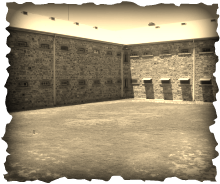
The New Building was built between 1878 and 1879. The New Building was considered a modern mid-19th century architecture. Same as the Remand Centre, the cells pointed towards the central corridor. Most of the building was built by convict labour under the direction of Mr Howell. This the only building to be built by convict labour.
The "Fridge" was named because of its fridge-like door handles on the double sound-proof doors. These rooms were used for disruptive inmates. There were two such cells at the end of A-wing.
The New building was also the location for the permanent gallows. The Gallows were installed in 1886 and was used for 21 executions from 1894 until 1950.
The "Fridge" was named because of its fridge-like door handles on the double sound-proof doors. These rooms were used for disruptive inmates. There were two such cells at the end of A-wing.
The New building was also the location for the permanent gallows. The Gallows were installed in 1886 and was used for 21 executions from 1894 until 1950.
Corporal Punishment
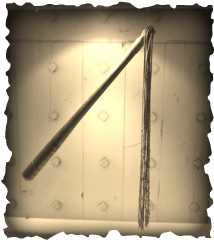
The original location for the whipping frame was housed in the Tower and the area were the current bakehouse is located. Until the late 1890s, a inmate could be sentenced to receive up to 150 strokes. By the 1930s, this was reduced to 25-30 strokes. By the last year it was used, in 1964, the average was 8 to 12 strokes. The whips used are commonly known as the "cat-of -nine - tails". They are made from light whip cord with little knots, which are dipped into water and partly dried to get the same effect as a leather whip. There were 24 offences that could warrant being flogged. If the inmate was under 18 years of age then they would be punished with either the cane or birch, on the person's buttocks. The only person who could stop a flogging was the doctor. The last flogging took place in 1964 and was not abolished until 1976, along with Capital punishment by the then Labor Government.
Capital Punishment
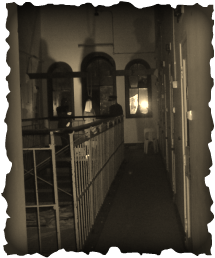
The first execution in the new colony of South Australia was an Irishman, Michael Magee for the wounding of Sheriff Smart. He was hanged on the 2nd May 1838, at what was at the time was known as the Iron Store, slightly north-west of the rail bridge over the River Torrens, on what is now known as the golf links below Monteforce Hill. The same tree was also the location for the hanging of two Aboriginal men in 1839.
There were two more hangings in 1840, at the Police Barracks, located behind the State Library on North Terrace. Public hangings were very popular amongst the general public, with attendences around 2000 when Adelaide's population was round 18,000.
In late 1940, outside the front of the unfinished Gaol, a hanging was staged. Between 1840 and 1857, seven public hangings took place outside the front doors of the Gaol.
The first private hanging inside the Gaol was four Aboriginal men, known as the Rainbird Murderers, in the June of 1861. They and another nine separate hangings took place on the portable gallows between 1861 and 1883. Amongst those hanged were Elizabeth Woolcock in December 1873 and the last man executed in this area was a Chinese man, Mah-Poo, in 1883.
The cost of erecting and dismantling the portable gallows cost 3 pounds, ten shillings including the black cloth draped around the gallows. The charge for the coffin was extra.
The permanent gallows was established in 1886 in the New Building in what is now as A-wing. There were 21 executions from 1894 until 1950.
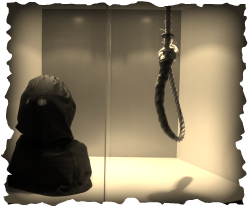
Executions were moved from the New Building to the second guard's tower, which was not in use. The first man to be hanged in the tower was John Balaban in 1953. Another three men would be hanged in the tower, the last being Glen Sabre Valance in November, 1964. He would become the last man to be hanged in south Australia and the second to last man to be hanged in Australia, the last being in Melbourne in 1967.
Most executed prisoners were buried in the ground between the inner and outer walls of the lane ways. There are also a number of graves outside the permanent gallows (New Building). The South Australian Colony followed English custom by burying executed prisoners on the Gaol grounds, not allowing the bodies to be claimed by the families to be buried privately. The graves were not marked with the initials and date of the hanging until 1862. Up until this time, there had been no indicators left to mark where graves had been. In total, there were 45 hanging at the Gaol and a total of 66 hangings around South Australia.
There were two more hangings in 1840, at the Police Barracks, located behind the State Library on North Terrace. Public hangings were very popular amongst the general public, with attendences around 2000 when Adelaide's population was round 18,000.
In late 1940, outside the front of the unfinished Gaol, a hanging was staged. Between 1840 and 1857, seven public hangings took place outside the front doors of the Gaol.
The first private hanging inside the Gaol was four Aboriginal men, known as the Rainbird Murderers, in the June of 1861. They and another nine separate hangings took place on the portable gallows between 1861 and 1883. Amongst those hanged were Elizabeth Woolcock in December 1873 and the last man executed in this area was a Chinese man, Mah-Poo, in 1883.
The cost of erecting and dismantling the portable gallows cost 3 pounds, ten shillings including the black cloth draped around the gallows. The charge for the coffin was extra.
The permanent gallows was established in 1886 in the New Building in what is now as A-wing. There were 21 executions from 1894 until 1950.
Executions were moved from the New Building to the second guard's tower, which was not in use. The first man to be hanged in the tower was John Balaban in 1953. Another three men would be hanged in the tower, the last being Glen Sabre Valance in November, 1964. He would become the last man to be hanged in south Australia and the second to last man to be hanged in Australia, the last being in Melbourne in 1967.
Most executed prisoners were buried in the ground between the inner and outer walls of the lane ways. There are also a number of graves outside the permanent gallows (New Building). The South Australian Colony followed English custom by burying executed prisoners on the Gaol grounds, not allowing the bodies to be claimed by the families to be buried privately. The graves were not marked with the initials and date of the hanging until 1862. Up until this time, there had been no indicators left to mark where graves had been. In total, there were 45 hanging at the Gaol and a total of 66 hangings around South Australia.
Executed Prisoners
Public executions before the Adelaide Gaol was built: (Parklands & North Tce Barracks)
Michael Magee 02/05/1839
Yerr-i-cha 31/05/1839
Wang Nucha 31/05/1839
George Huges 16/03/1840
Henry Curran 16/03/1840
Public Executions outside the Adelaide Gaol: (Portable Gallows)
Joseph Stagg 18/01/1840
Ngarbi 01/08/1843
Wera Maidera 29/09/1845
Thomas Donnelly 05/09/1847
James Yates 05/09/1850
William Wright 12/03/1853
William Bell 27/12/1854
Private Executions inside the Gaol, northwest lane way: (Portable Gallows)
Warretya 07/06/1861 (Alias Gog Eye Jim)
Fankaworlya 07/06/1861 (Alias Jimmy Alick)
Pitta Miltanda 07/06/1861 (Alias Bobby)
Warretya 07/06/1861 (Alias Kop Robert)
John Server 11/03/1862
Malachi Martin 24/12/1863
Elizabeth Woolcock 30/12/1873
William Ridgeway 01/01/1874
Charles Streitman 24/07/1877
Huge Fagan 16/04/1878 (Alias James Lynch)
Jonothon Priest 16/07/1878
William Burns 18/01/1883
Mah-Poo 10/11/1883
Private Executions (New Building A-Wing) Permanent Gallows:
William Brown 24/08/1894
Joshua Beard 10/07/1897
Lollie Kaiser Singh 17/01/1897
Thomas Horton 12/05/1904
Albert William Bonfield 02/01/190
Notella Habibulla 16/01/1906
James Albert 02/01/1908
John Robins 16/03/1910
Hadji Khan 05/04/1910
Carlos Augustus Bonnello 05/05/1910
Percival William Budd 24/04/1919
Alexander Newland Lee 15/07/1920
William Henry Francis 22/11/1927
William Ephraim Peter Haines 16/12/1927
Fredrick Carr 12/11/1929
Thomas Blyth 09/01/1930
James Mark Watherson 11/08/1938
Harold James Box 26/04/1944
Charles Patrick O'"leary 14/11/1946
Alfred Coates Griffin 22/03/1950
Private Executions, Hanging Tower (Permanent Gallows)
John Balaban 26/08/1953
William Henry Feast 23/03/1956
Ratmond John Balley 24/05/1958
Glen Sabre Valance 24/11/1964 (Assumed name - Last man to be hanged in South Australia)
Source:
Volunteer Handbook. By the Adelaide Gaol Preservation Society
Photos of the Adelaide Gaol, in no particular order or date.
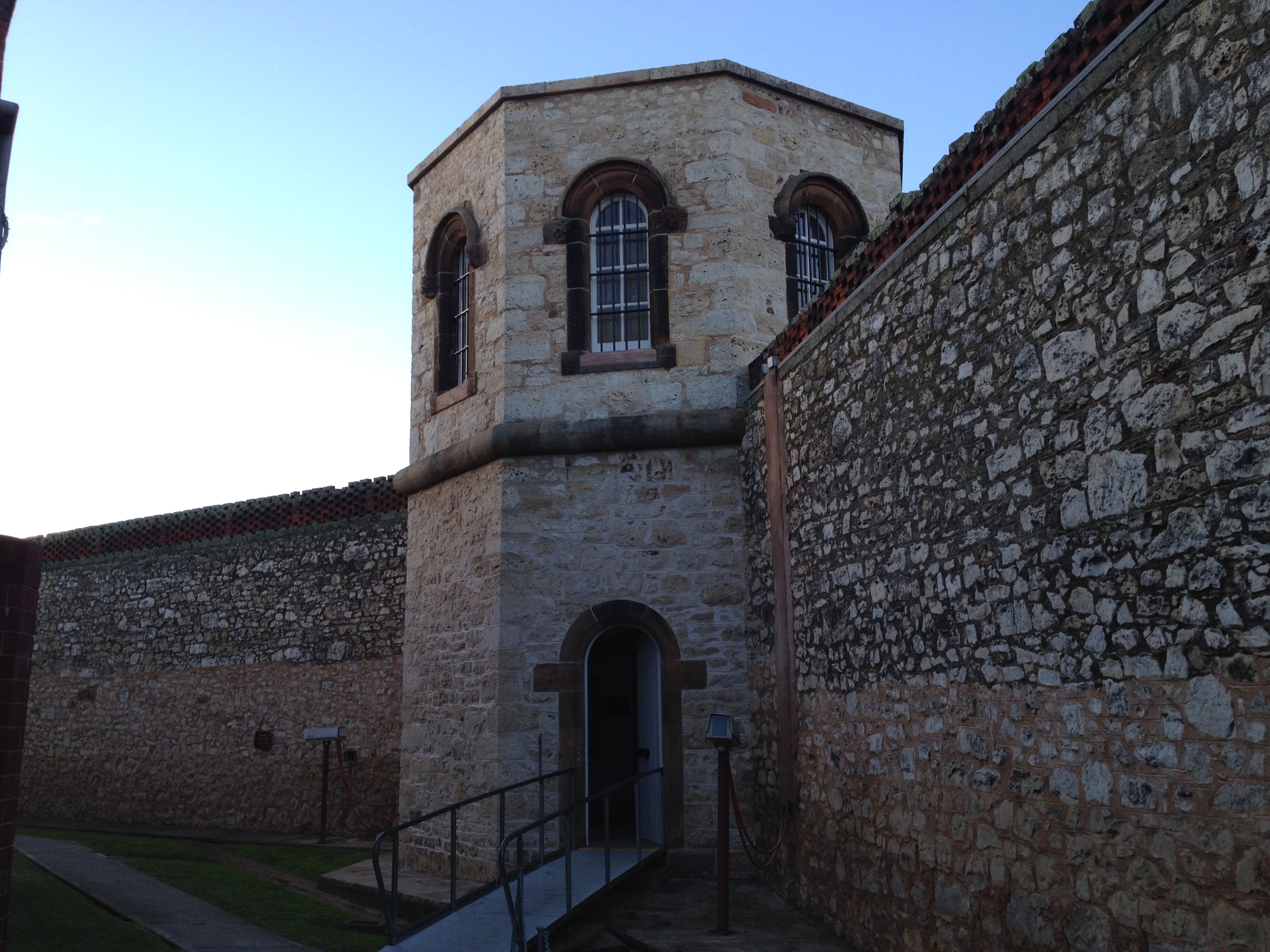
Hanging Tower. Photo taken 2013.
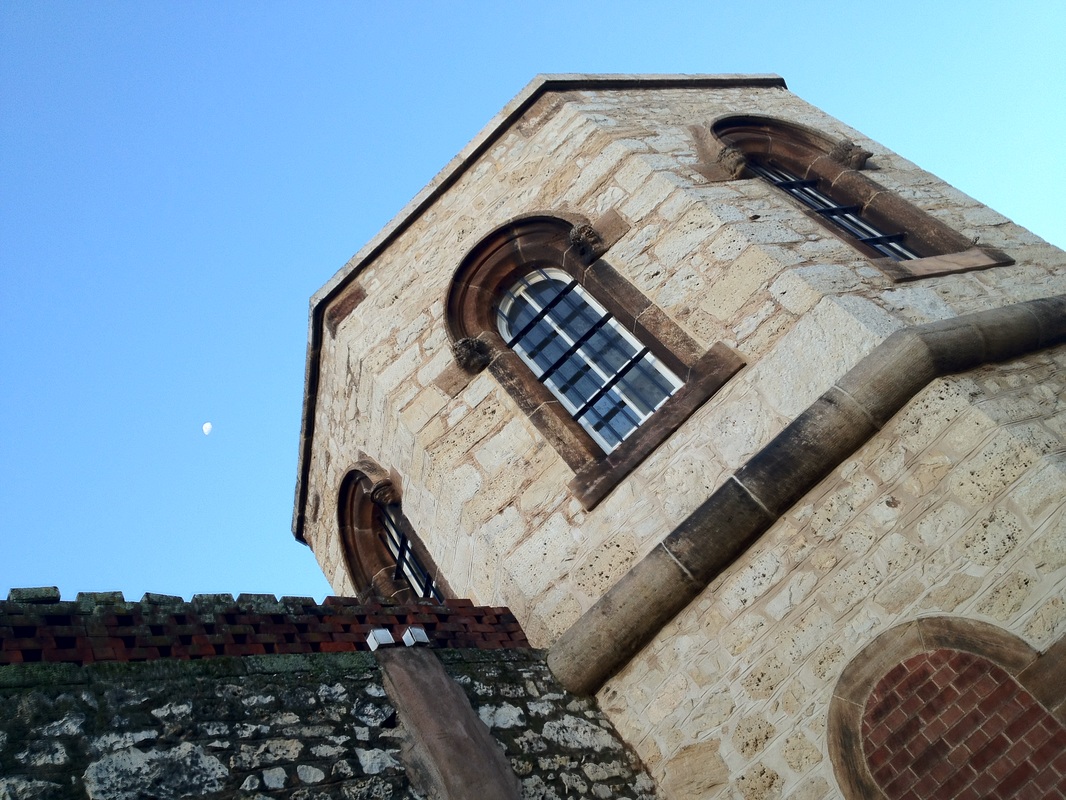
Another view of the hanging tower. Photo taken 2013.
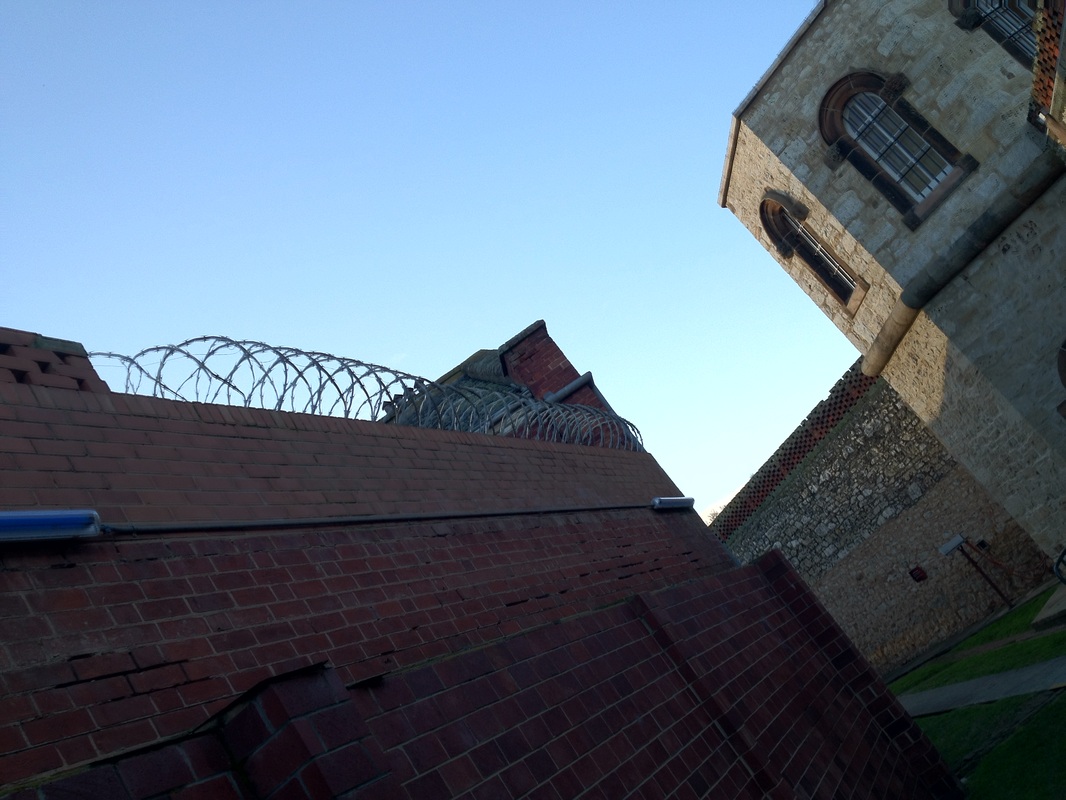
Between the walls, looking towards the hanging tower. Photo taken 2013.
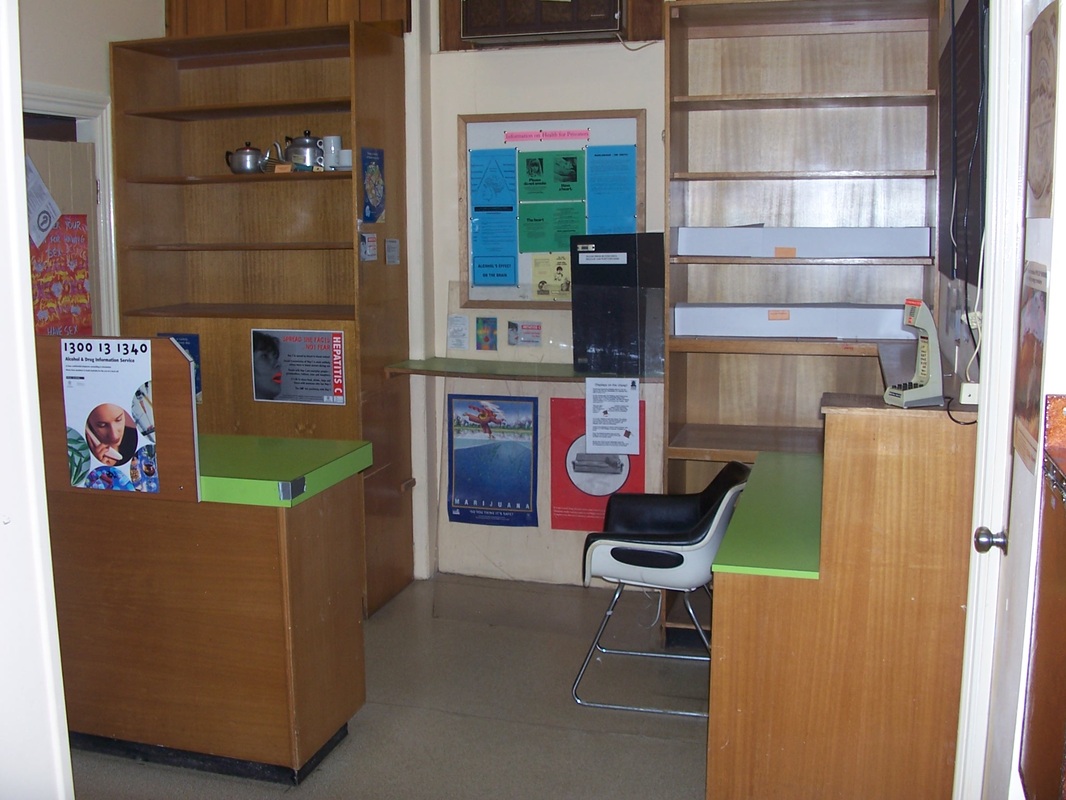
Inside the surgery. Photo taken 2005.
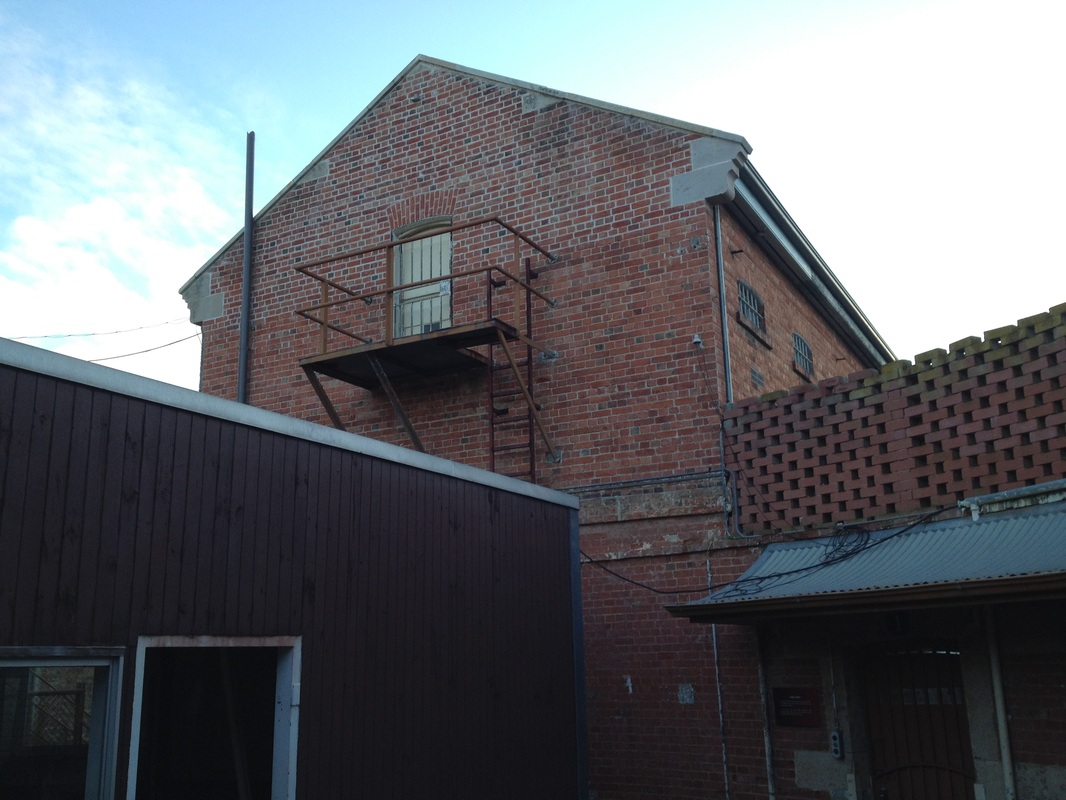
Looking towards the dormatory and visitors centre. Photo taken 2013.
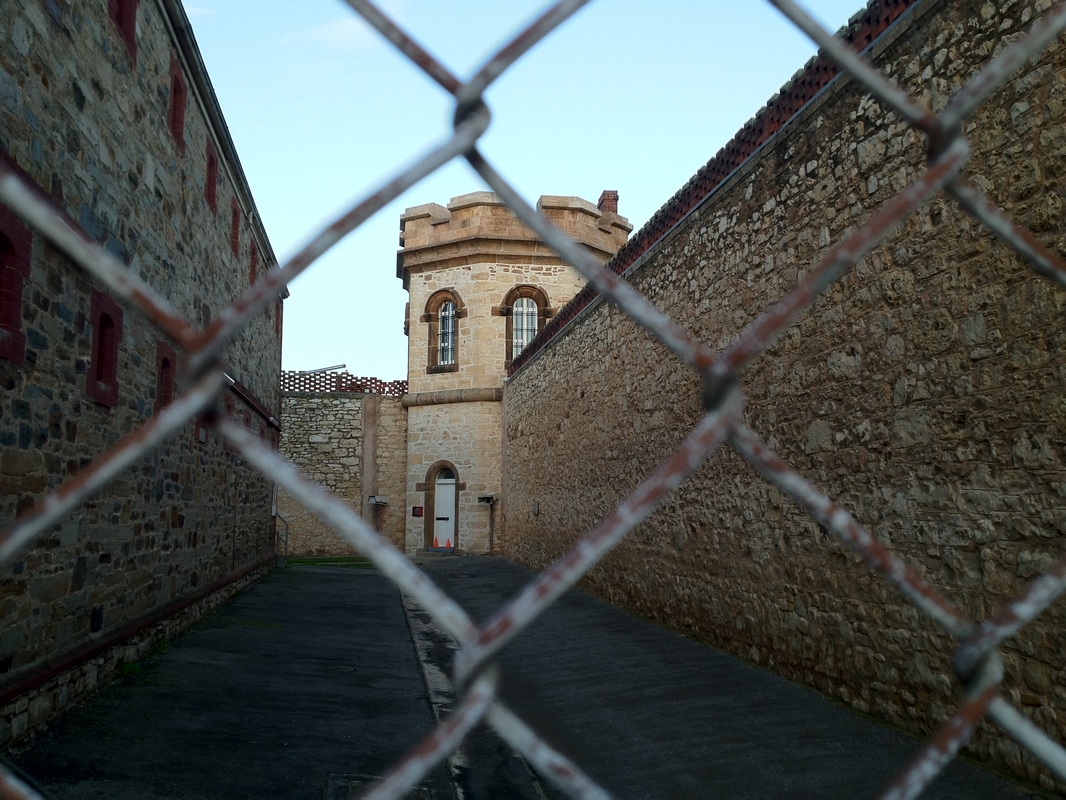
Guards tower, looking though wire fence on main laneway. Photo taken 2013.
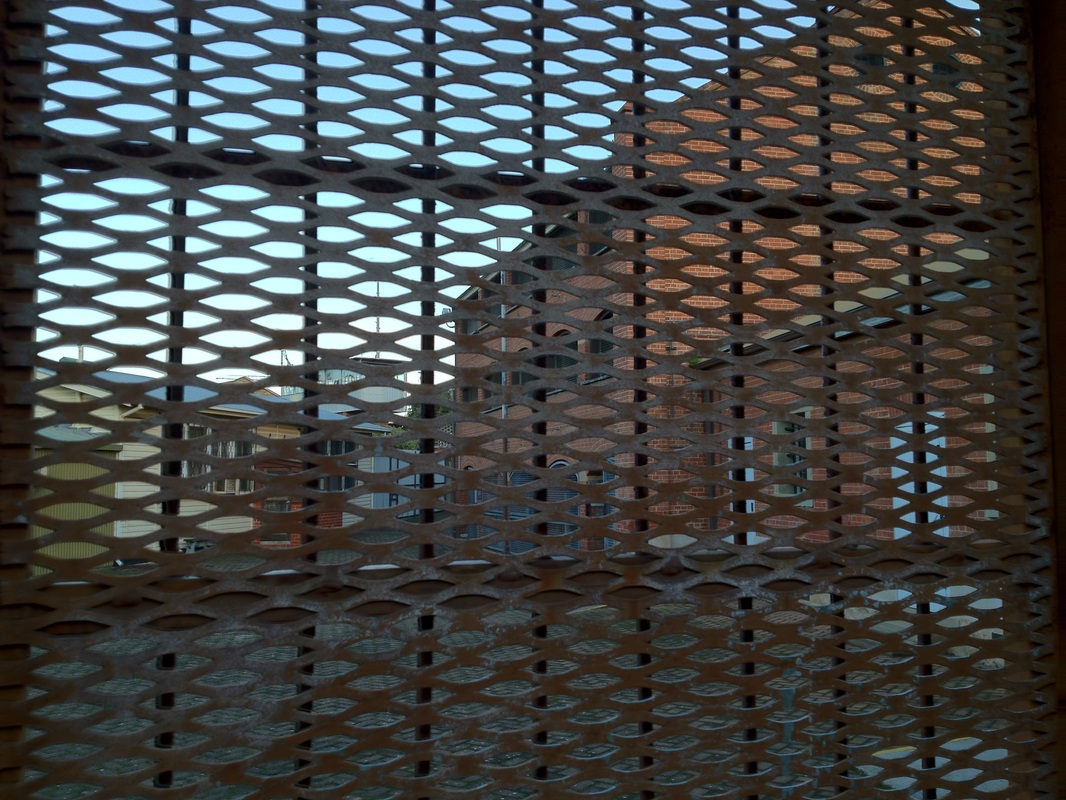
Looking into yard two. Photo taken 2013.
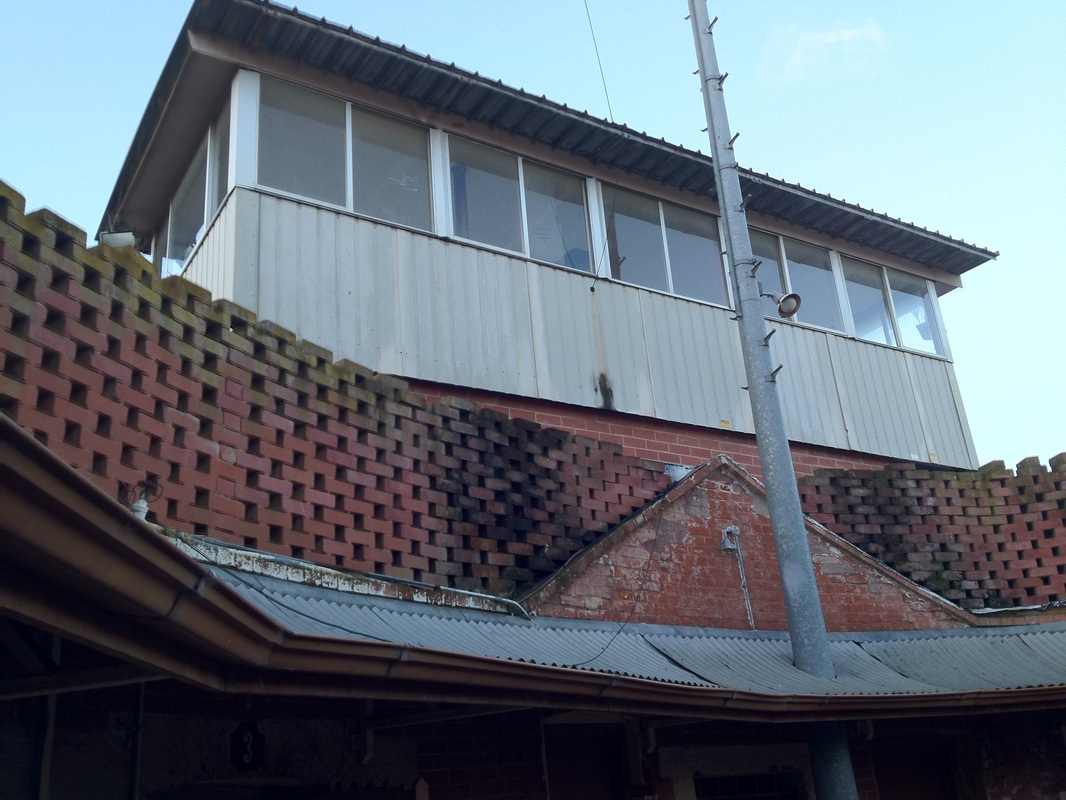
Central observation tower. Photo taken 2013,
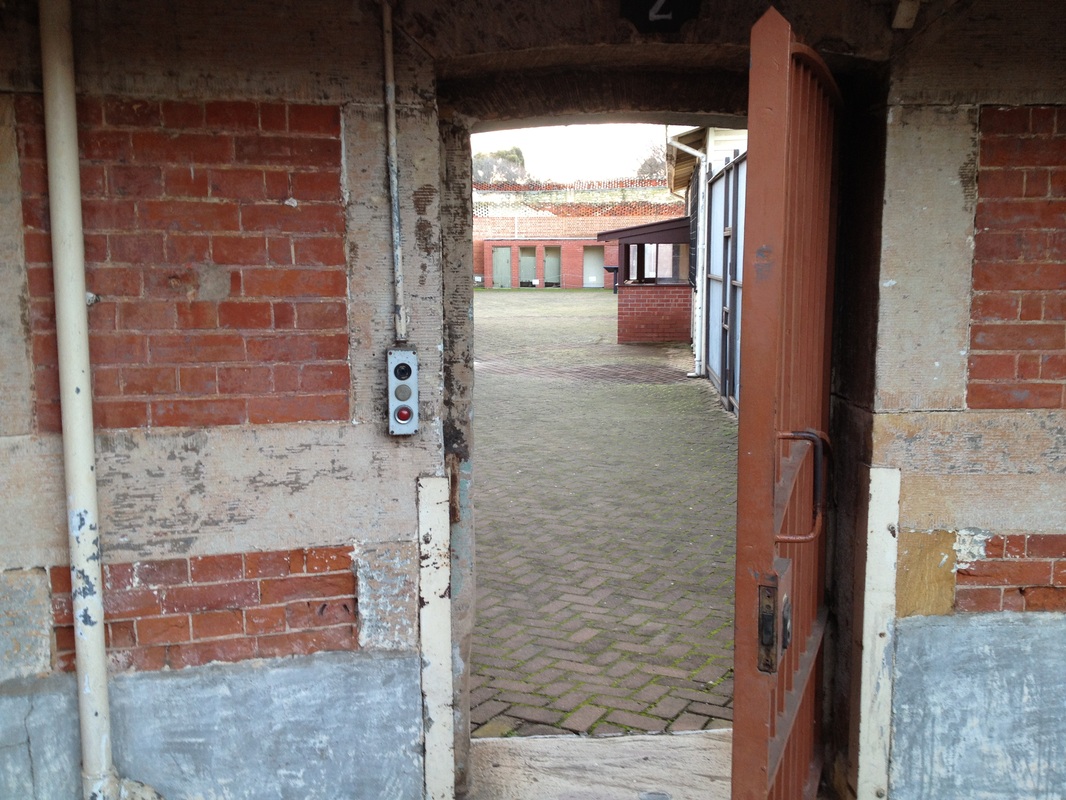
Looking into yard two from the circle. Photo taken 2013.
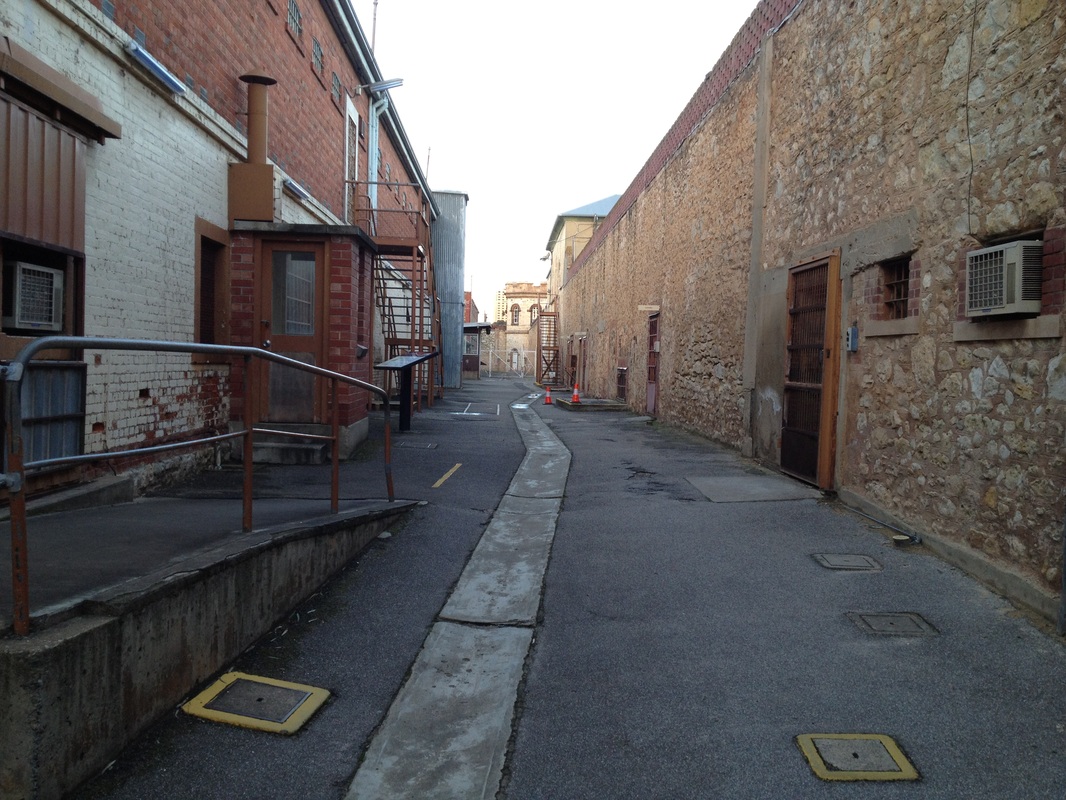
Looking down the main laneway. Photo taken 2013.
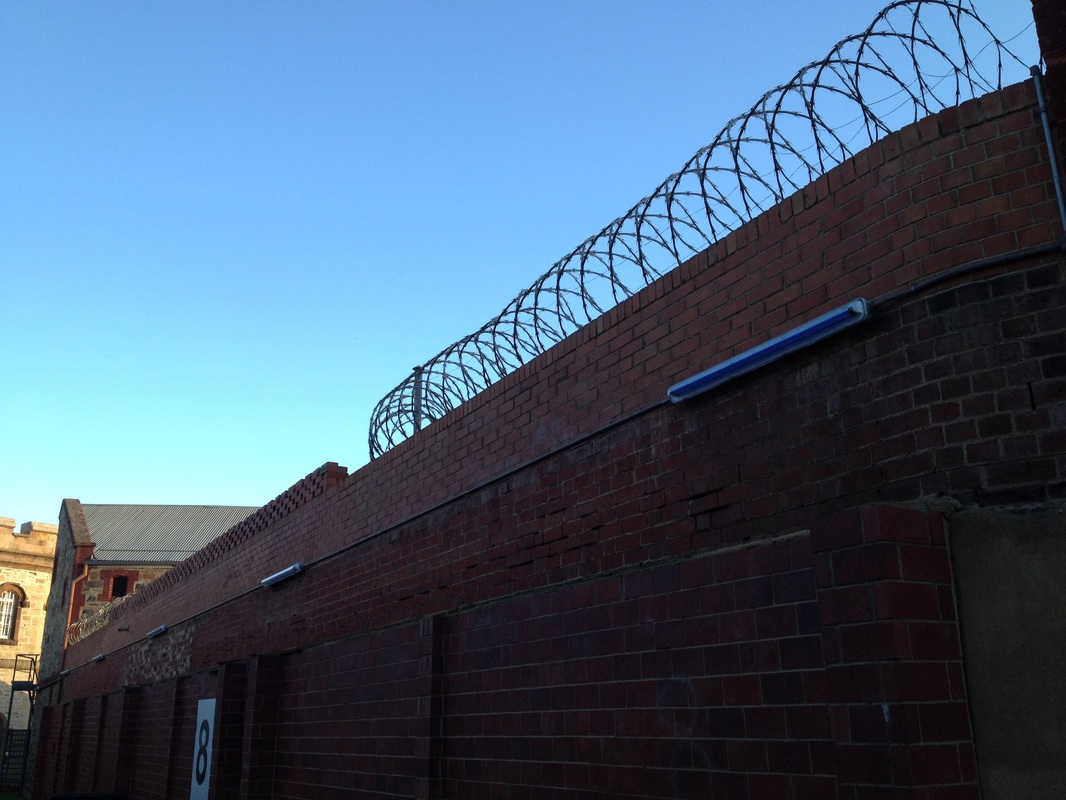
One of the few areas of razor wire at the gaol. Photo taken 2013.
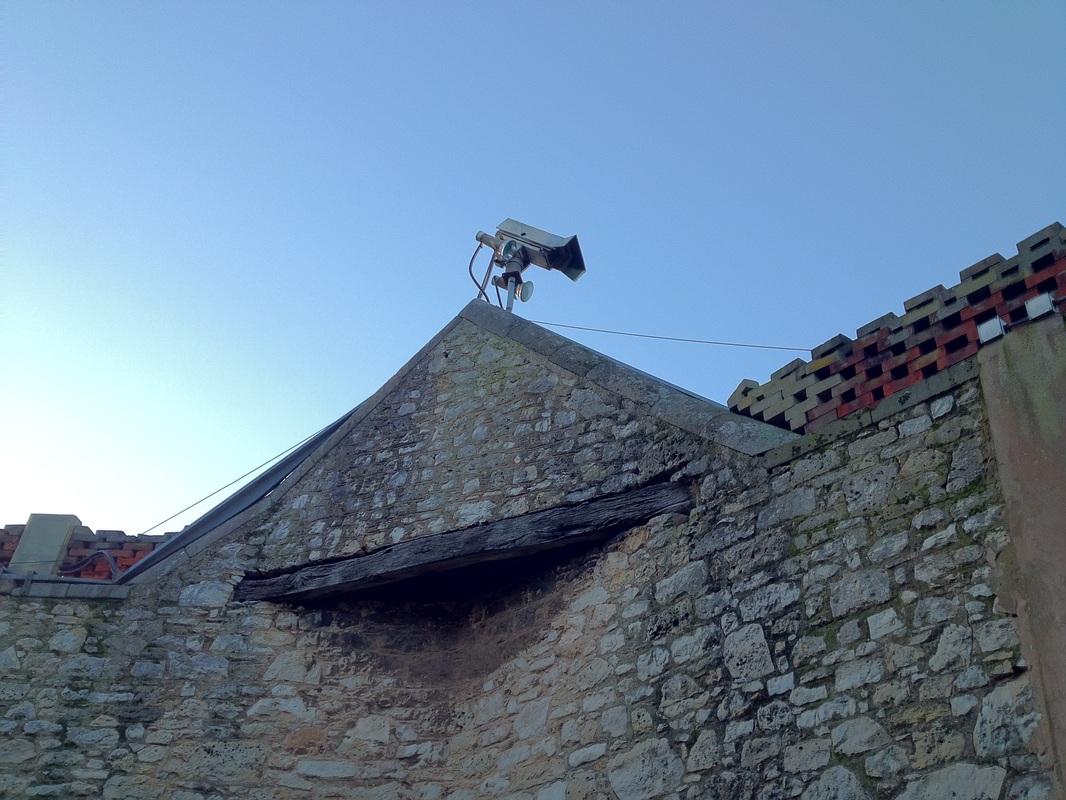
Security camera on the back wall of the gaol. Photo taken 2013.
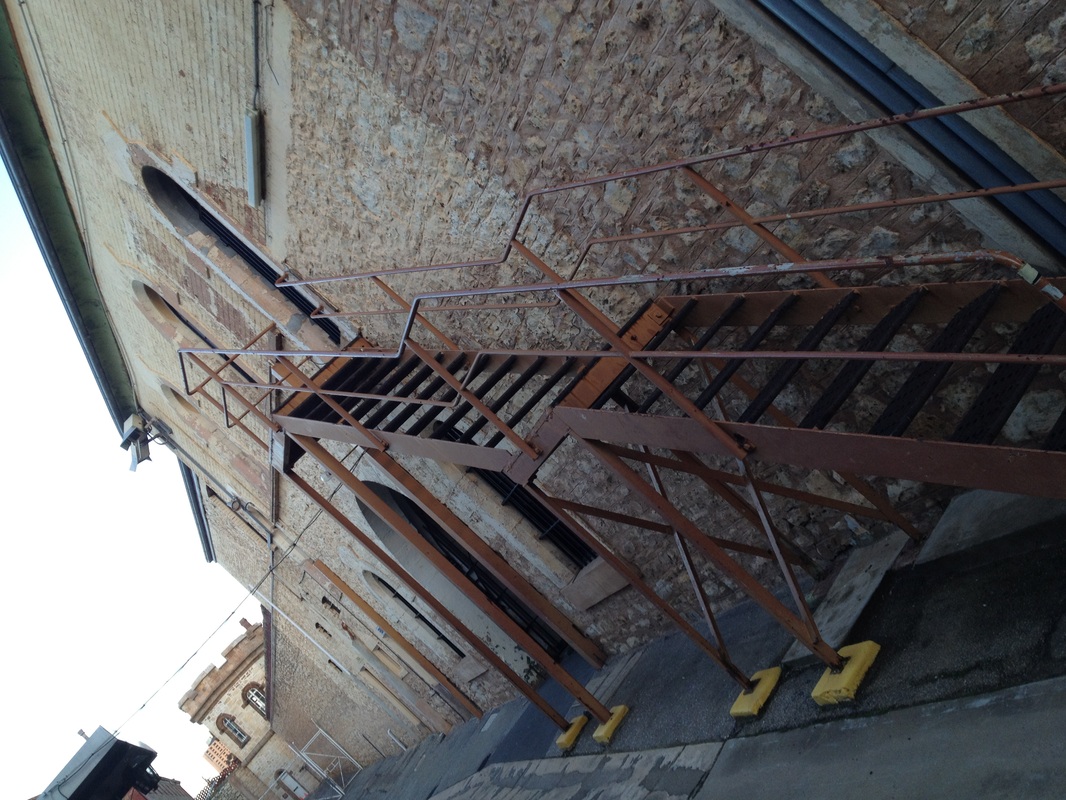
Staircase to the chapel. Photo taken 2013.
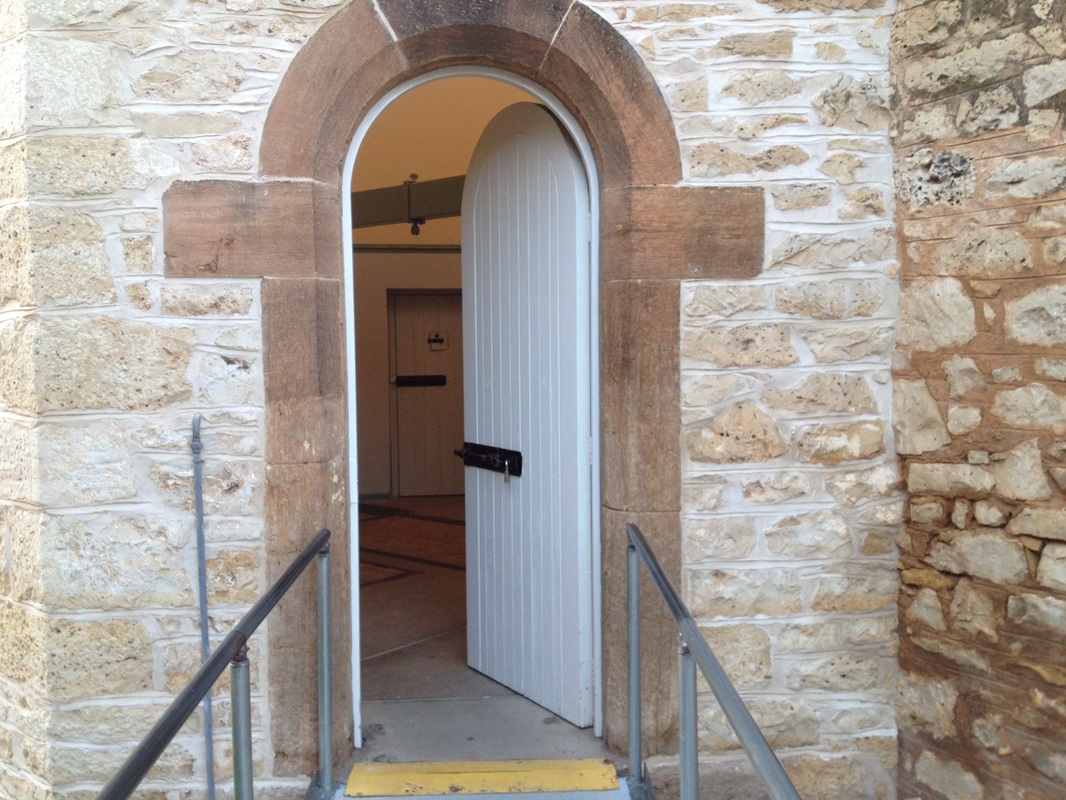
Entrance to the hanging tower. Photo taken 2013.
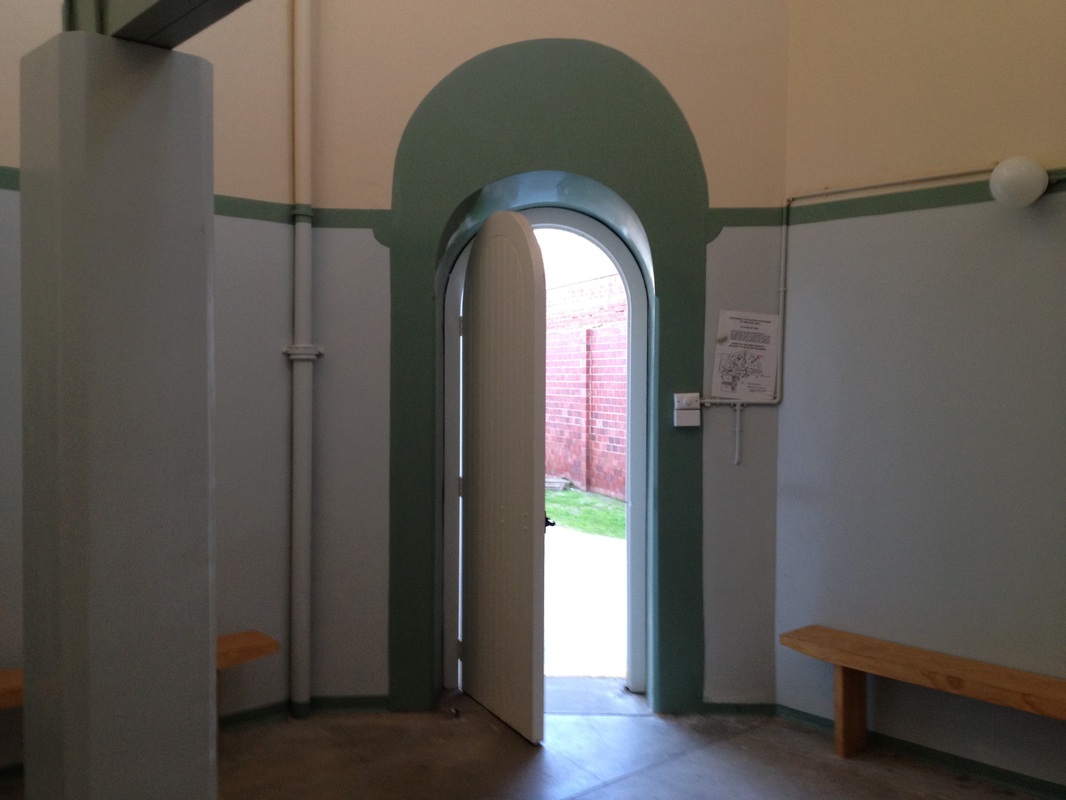
Inside the hanging tower. Photo taken 2013.
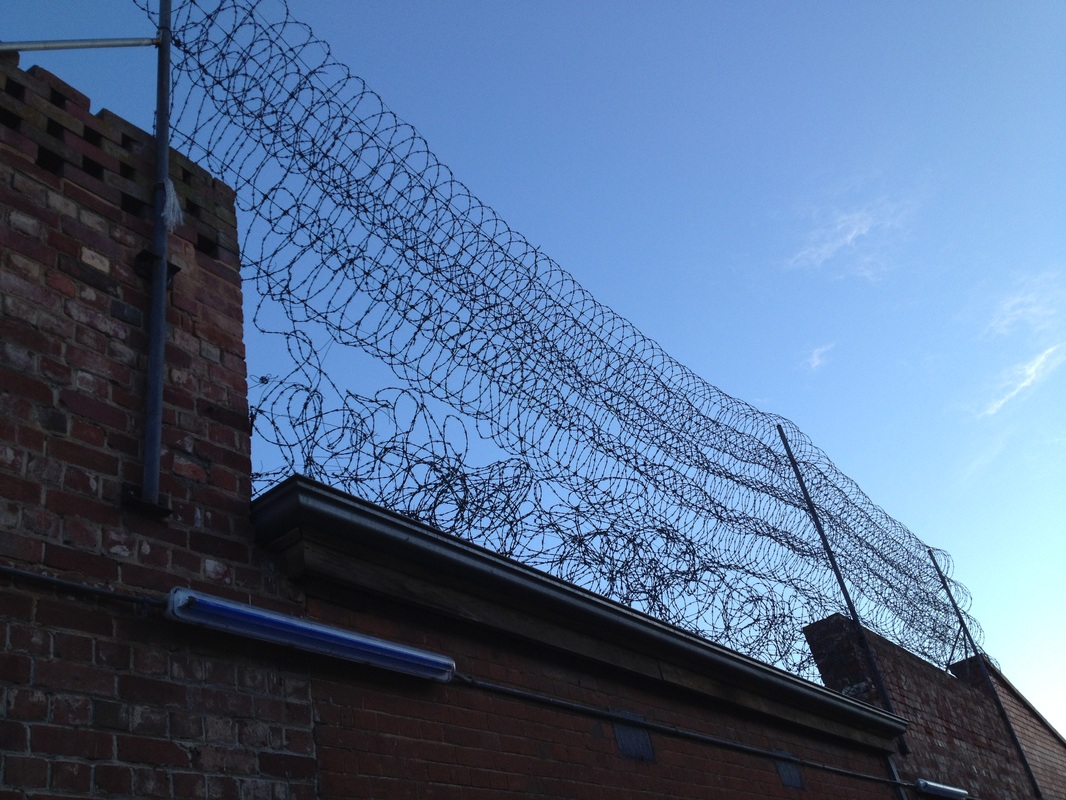
One of the few areas of barbed wire at the gaol. Photo taken 2013.
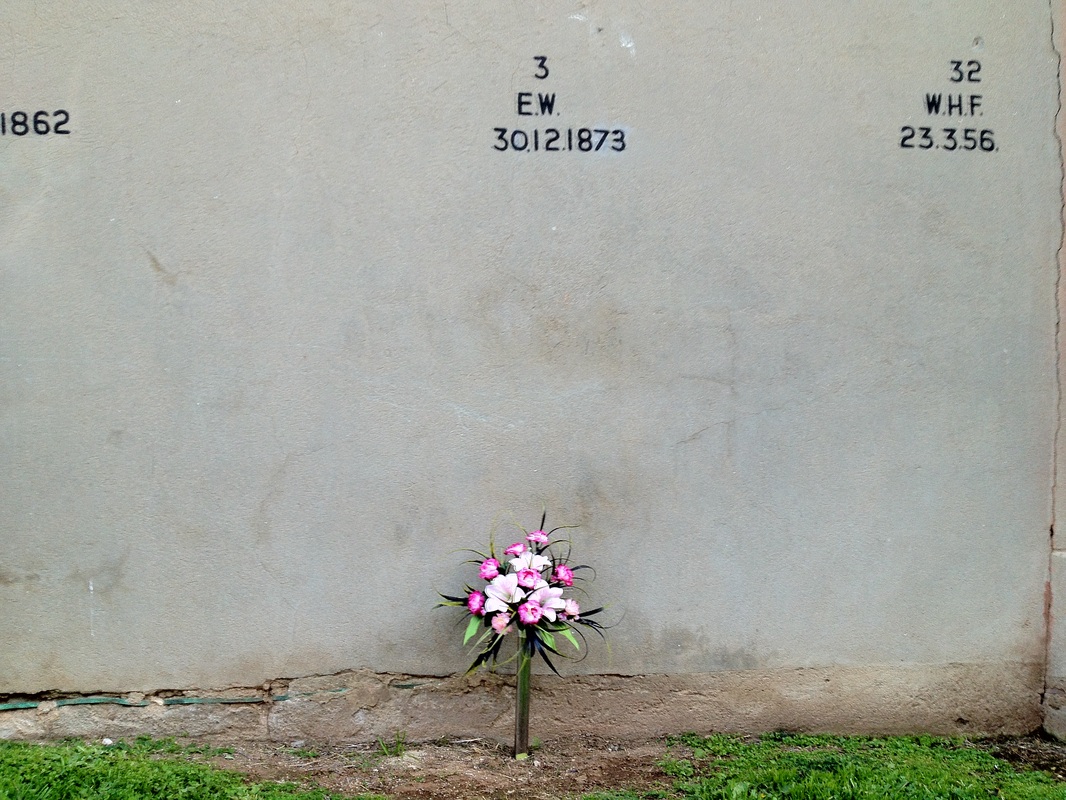
Gravesite of Elizabeth Woolock was the only woman to be hanged in South Australia on the 30th December 1873. Photo taken in 2013.
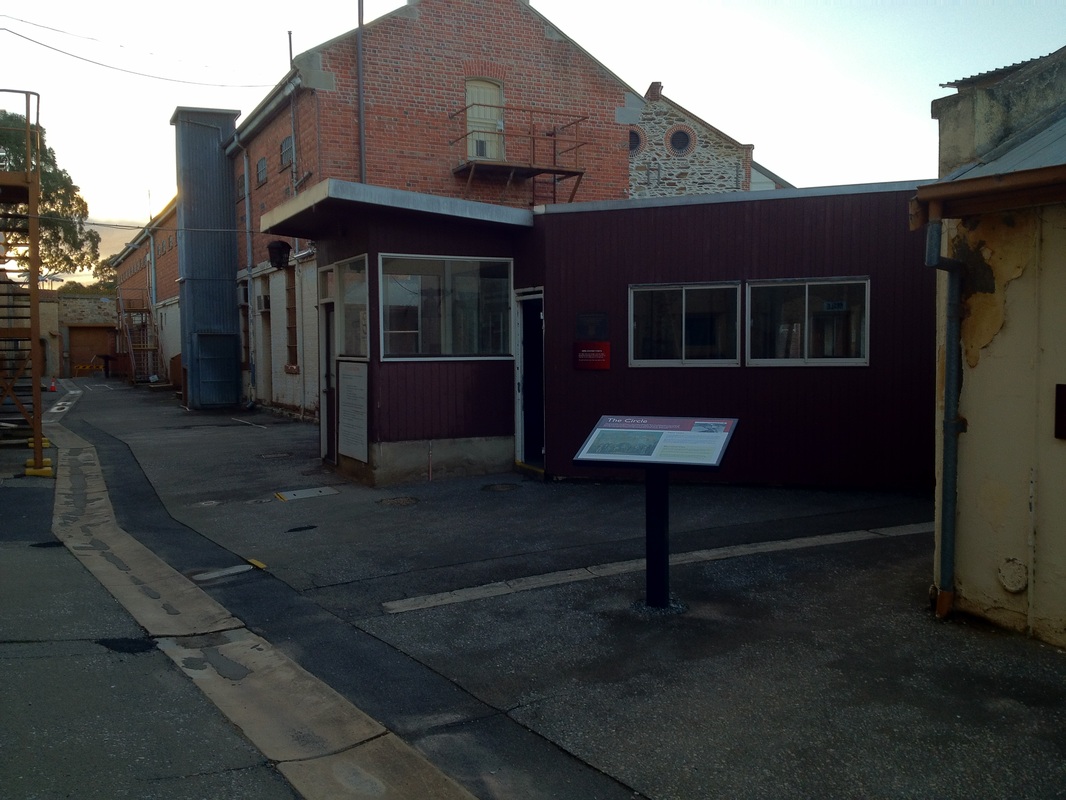
Visitors center. Photo taken 2013
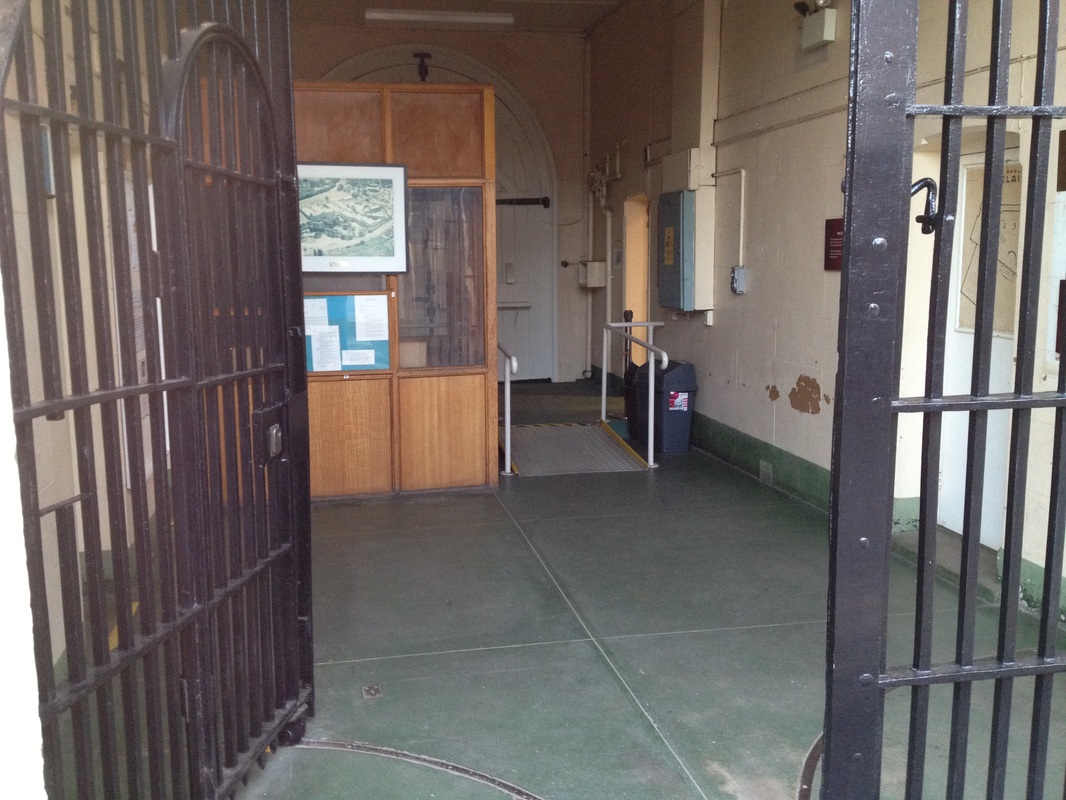
Sally Port, main entrance for the gaol. Photo taken in 2010.
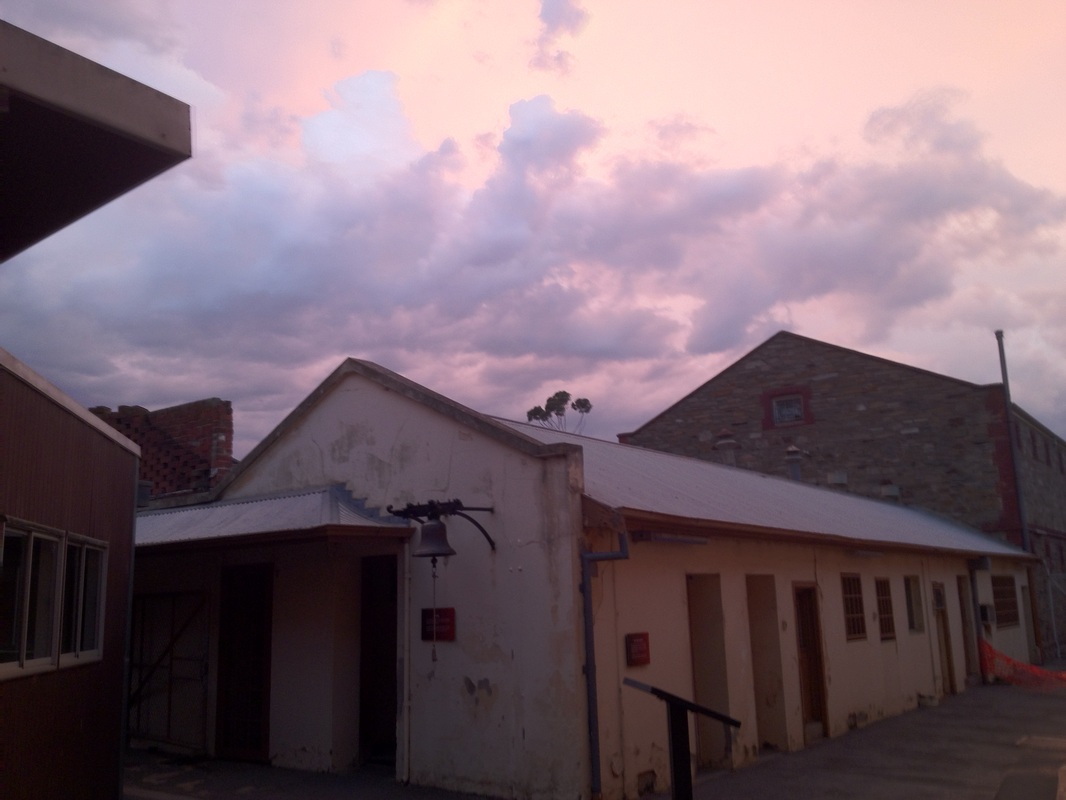
Original cellblock, main laneway. Photo taken in 2013.
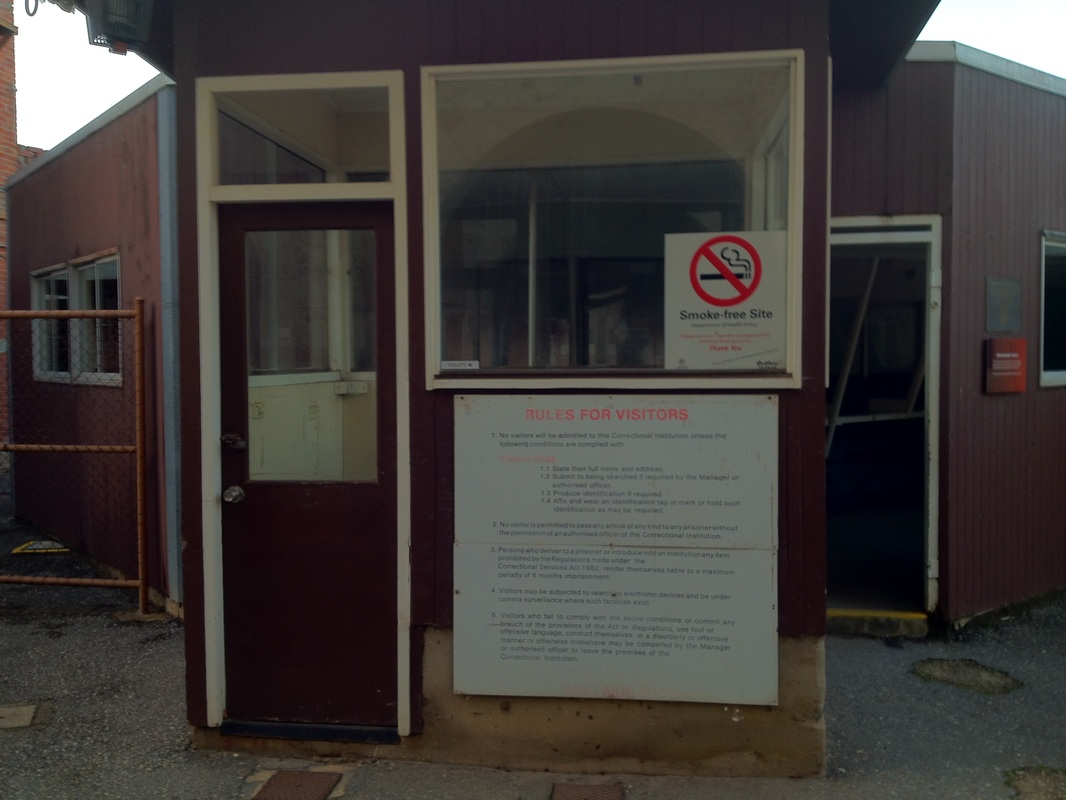
Entrance to the visitors centre. Photo takne in 2008.
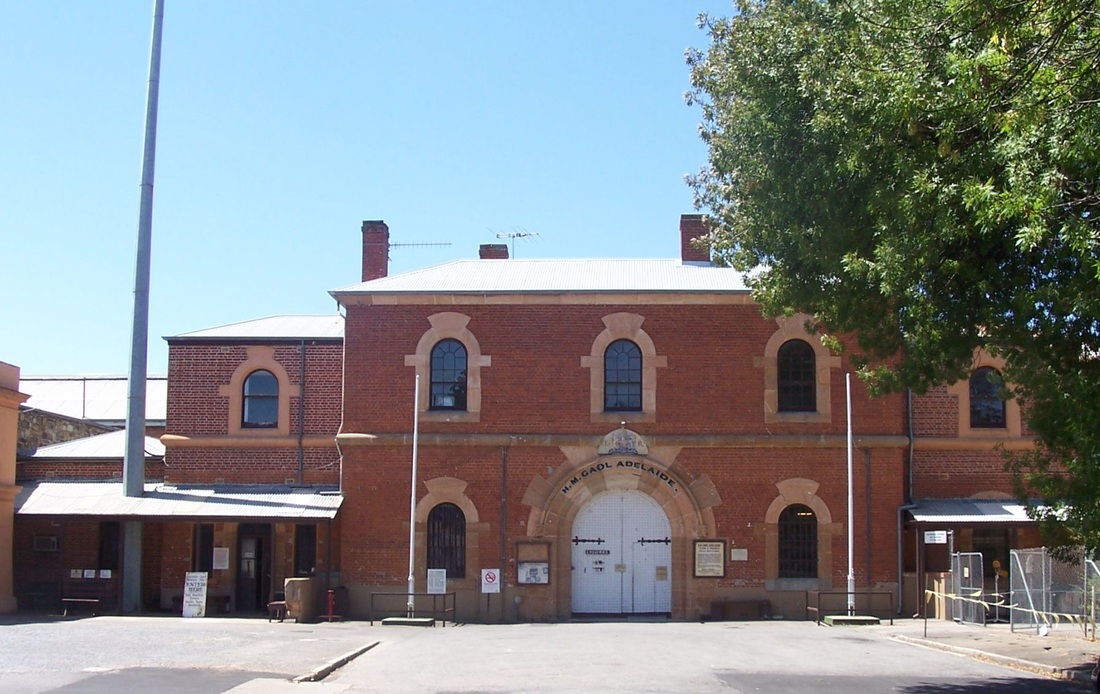
Adelaide Gaol Administration building and entrance. Photo taken in 2008.
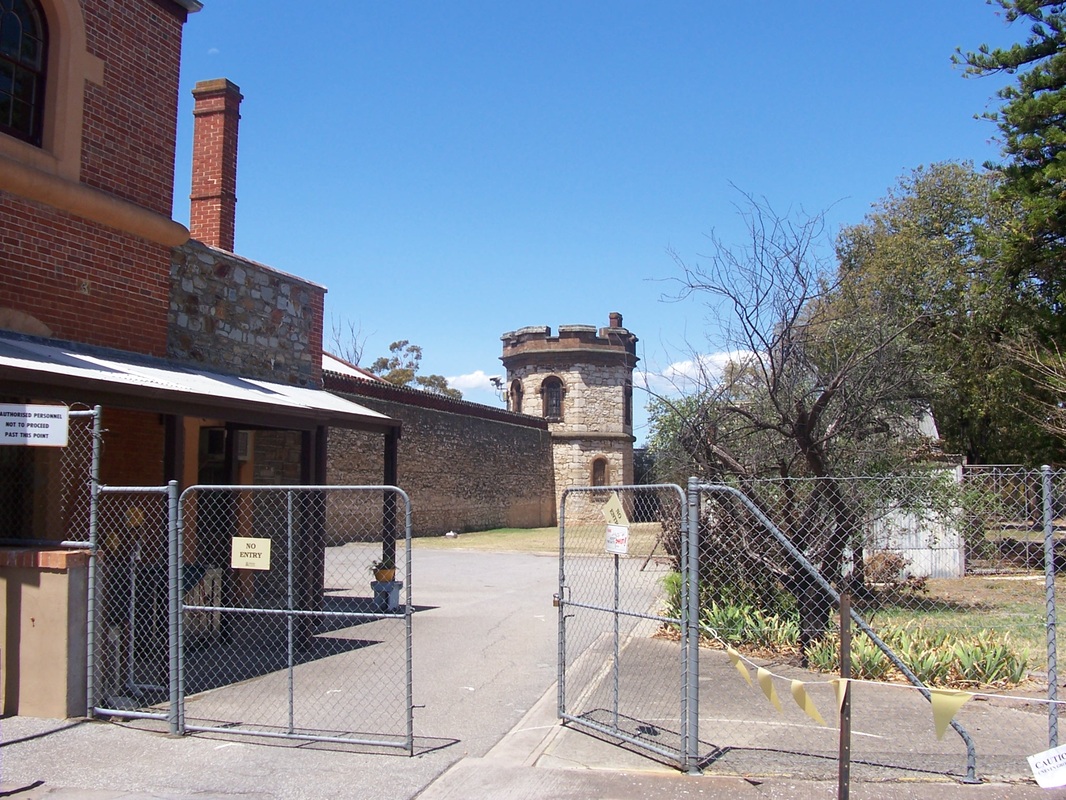
Guards tower from the front entrance of the gaol. Photo taken in 2007.
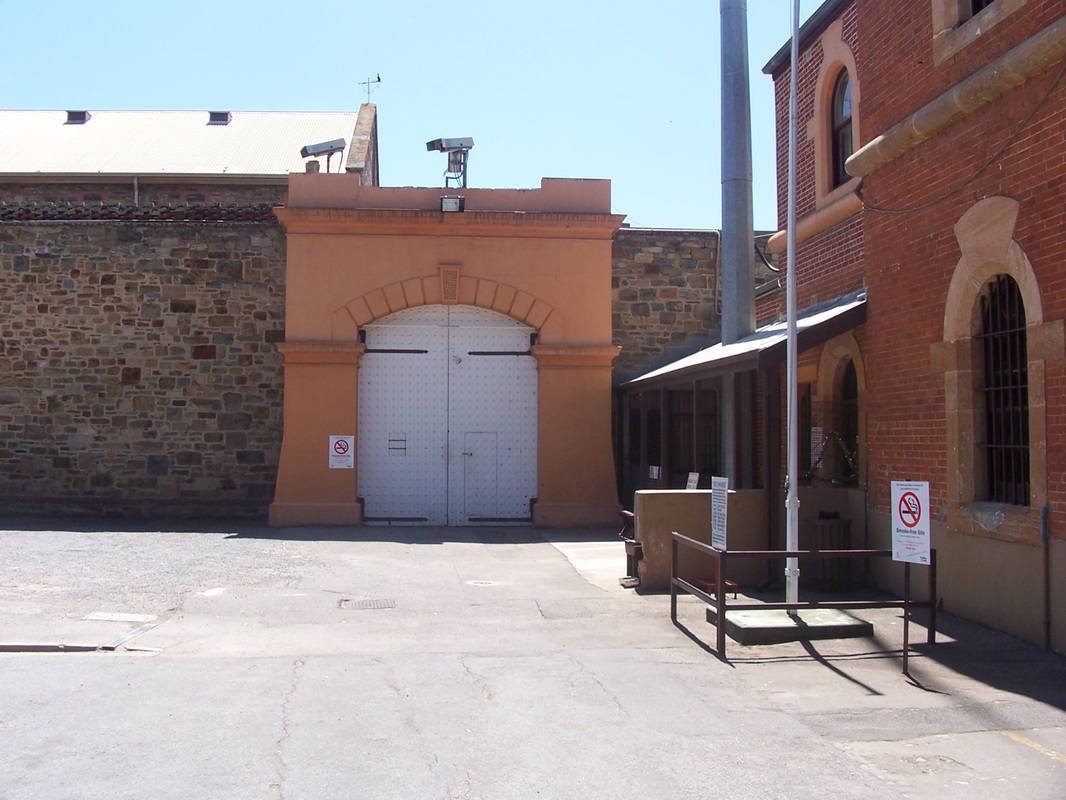
Entrance to the New Building. Photo taken 2007.
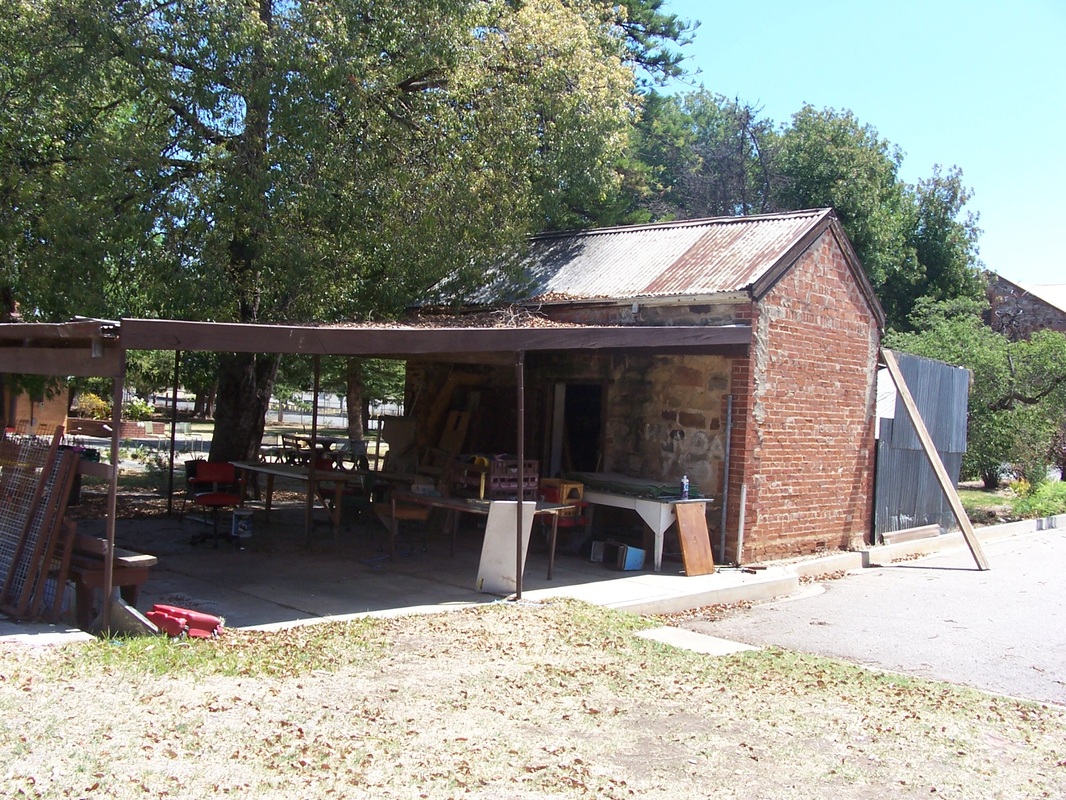
Storage and tool building, just outside the gaol walls. Photo taken in 2005
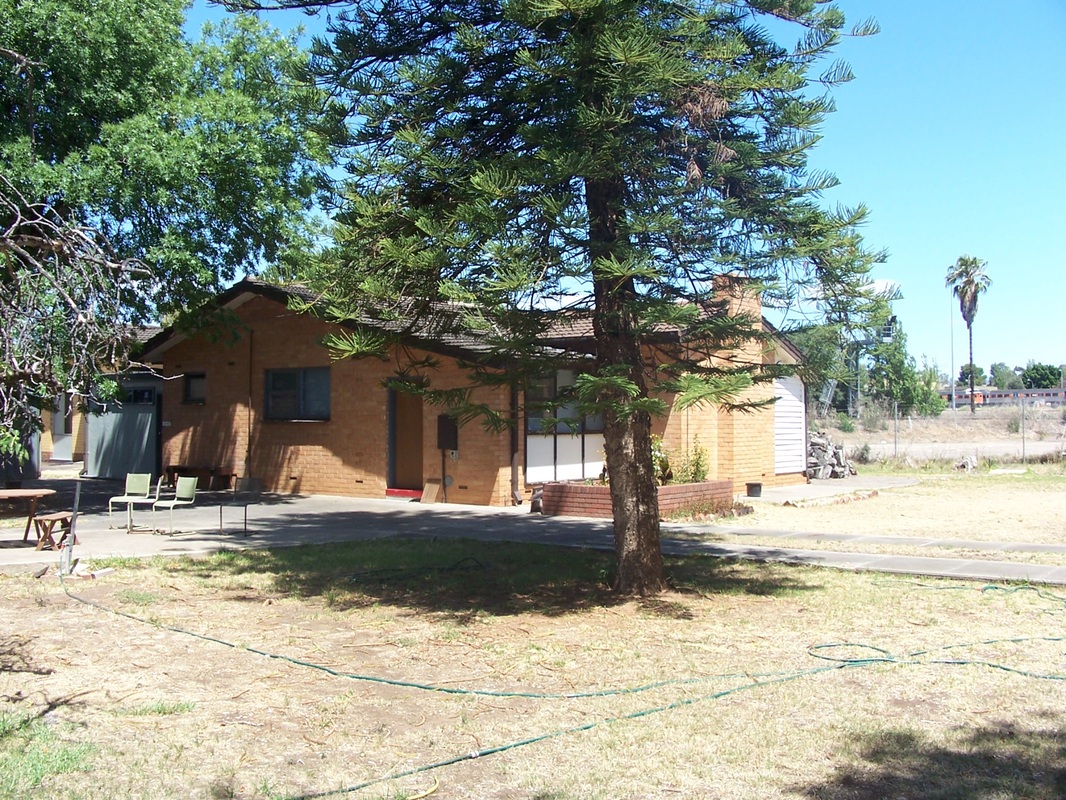
Three bedroom brick home built in the early 1960s that was the residence for Gaol Governors until the gaols closure in 1988. The house was demolished in November 2009. Photo taken in 2005.
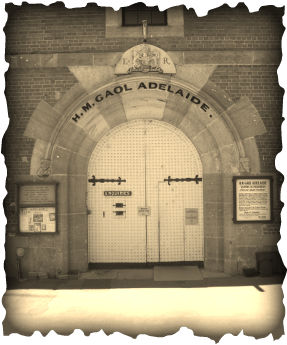
Front entrance to the Adelaide Gaol
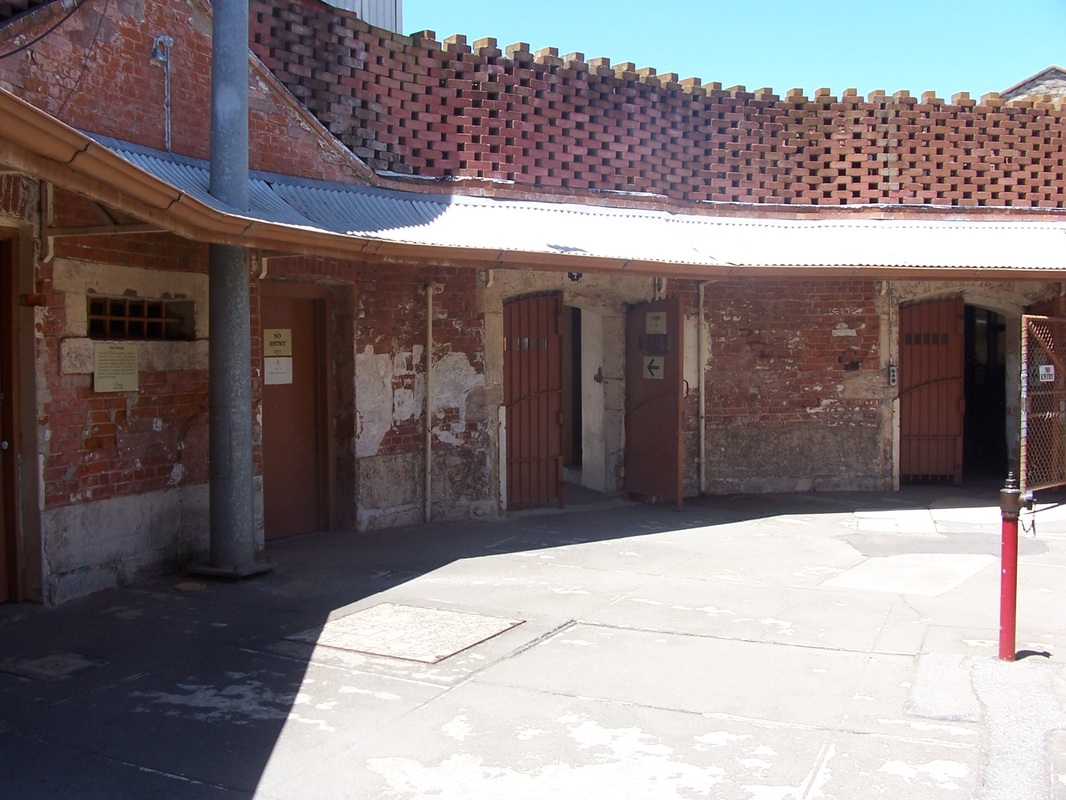
The circle. Entry point to all yards. Photo taken 2005.
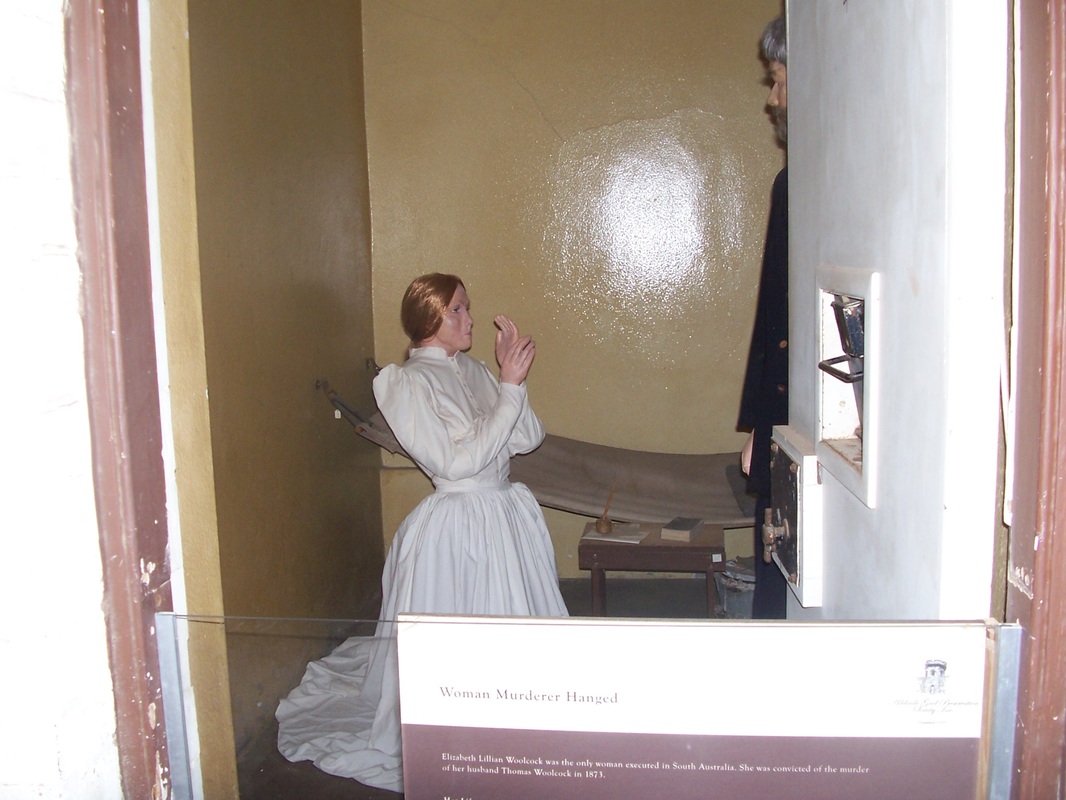
Cell of Elizabeth Woolcock. Yard two, first cell ground floor. Photo taken in 2007.
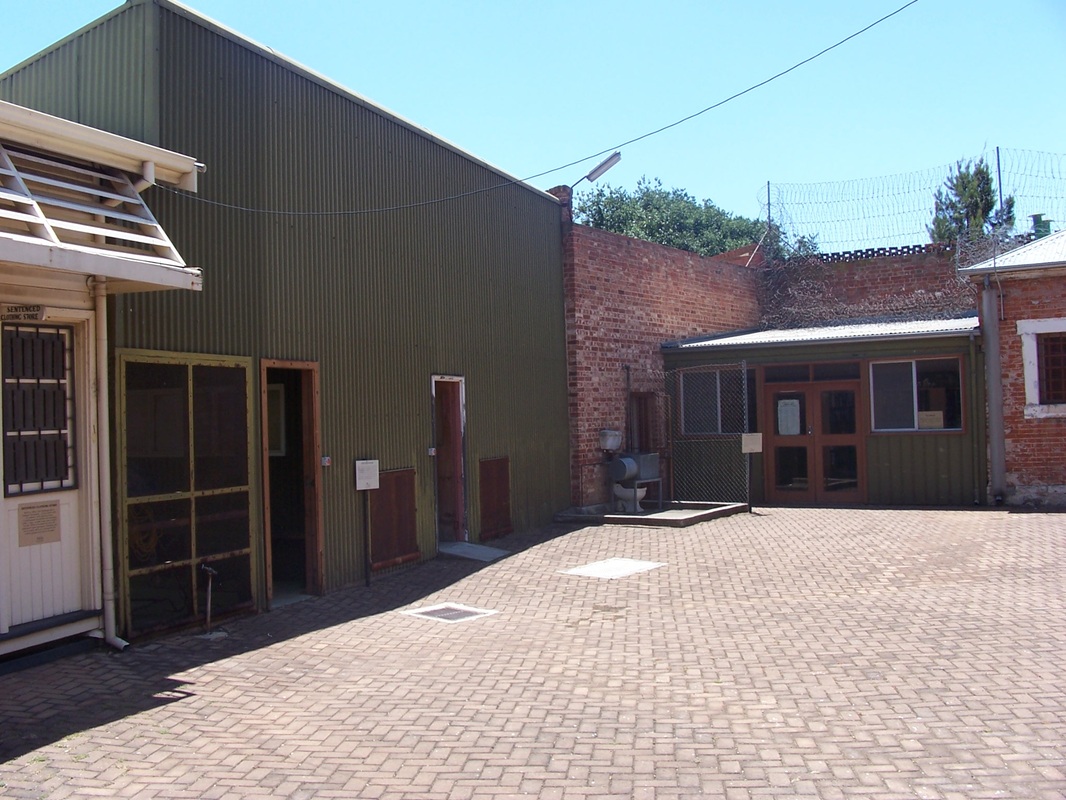
Yard three, induction center and library that was demolished in 2011. Photo taken in 2007.
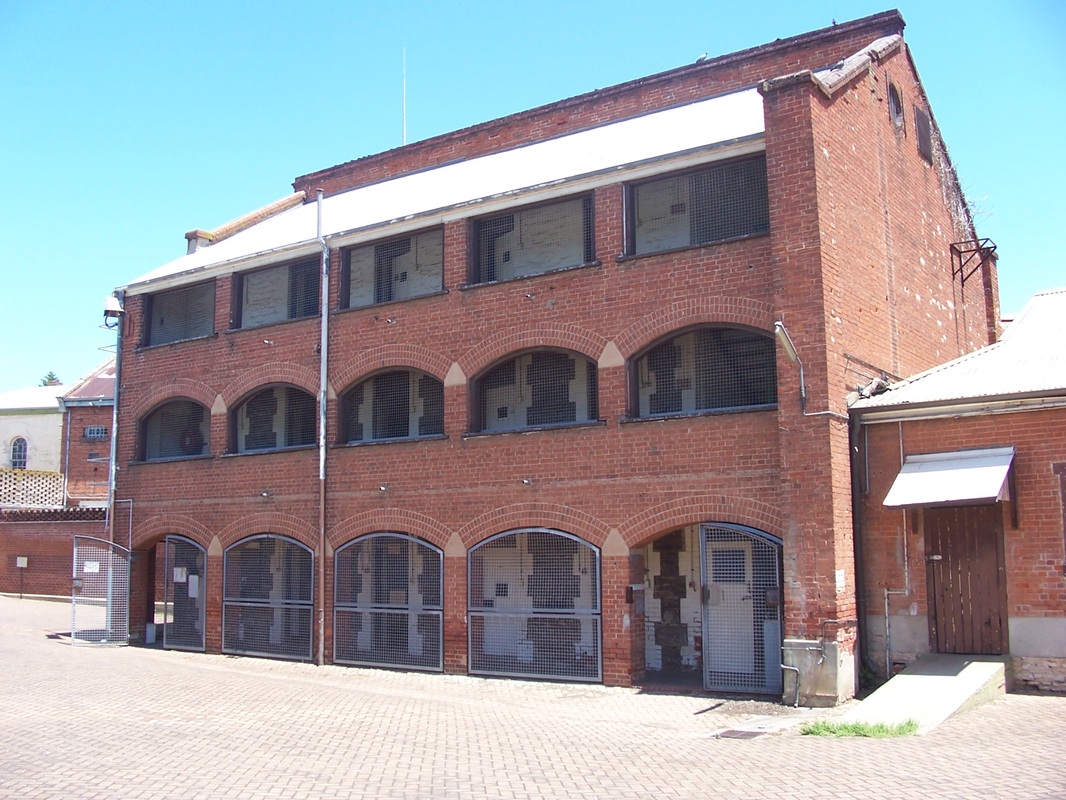
Yard two, womens section. The only three story cellblock in the Gaol. Photo taken in 2004.
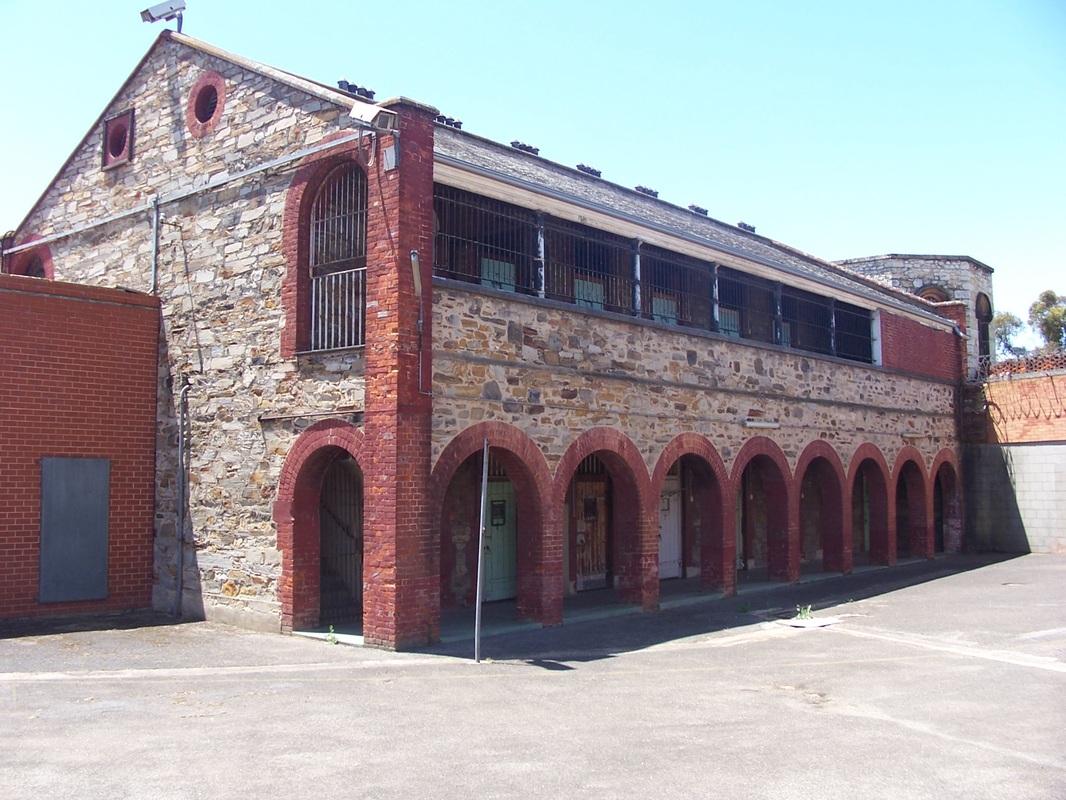
Cellblock in yard four. Photo taken in 2005.
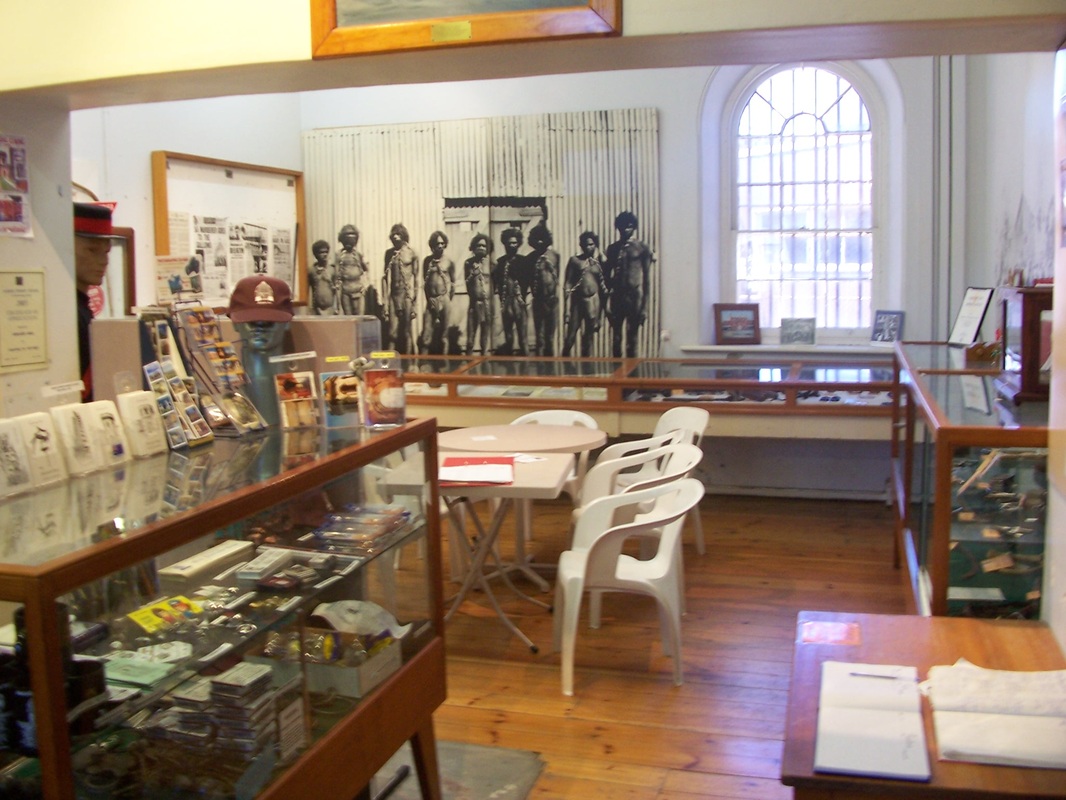
Gaol shop and display area. Photo taken in 2004.
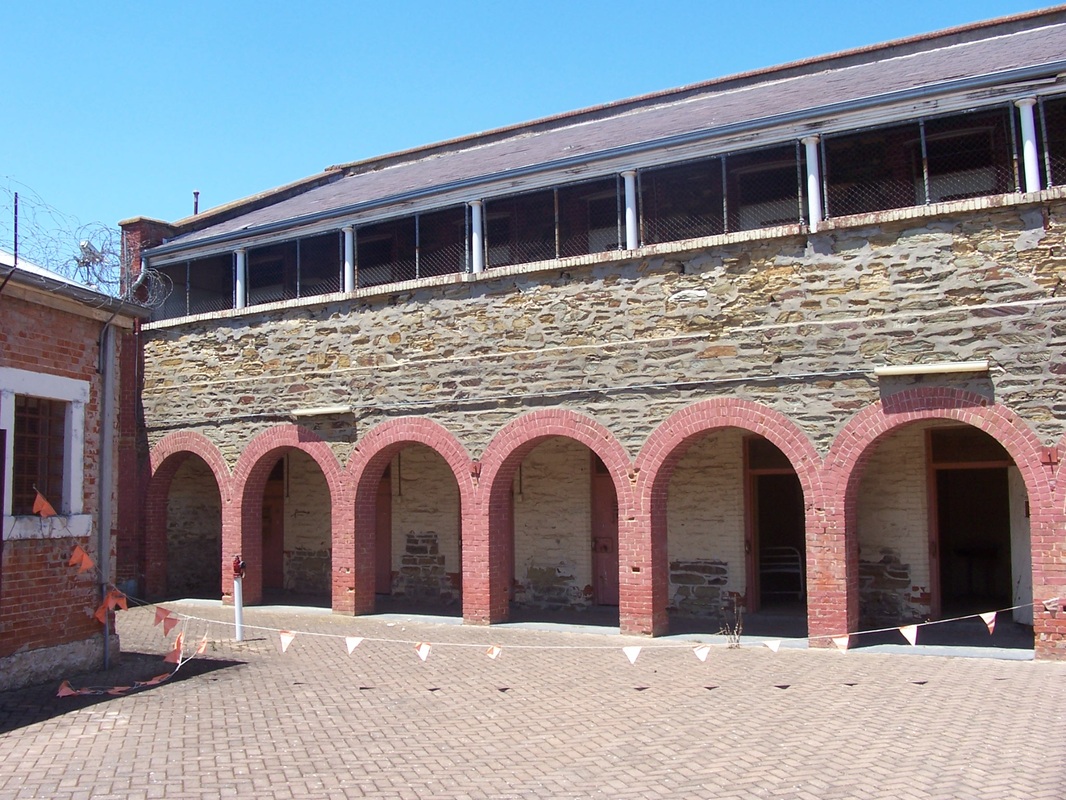
Cellblock in yard three (Womens section) Photo taken in 2004.
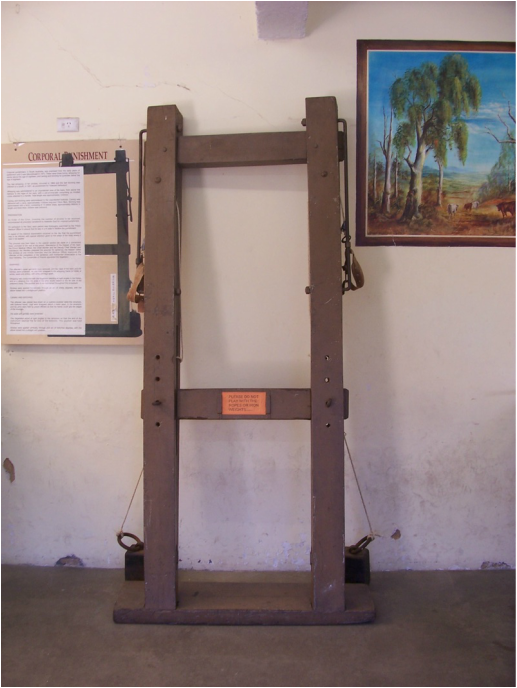
Whipping rack in Remand centre museum. Photo taken in 2004.
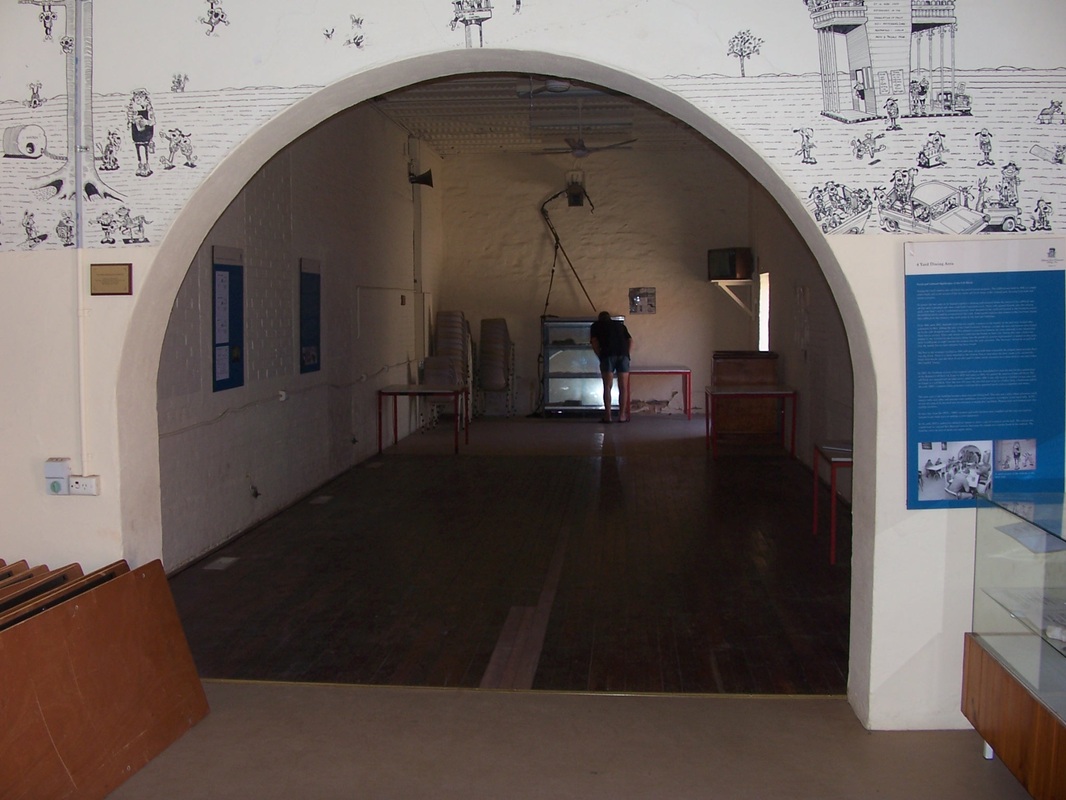
Dining room, yard four. Photo taken 2006.
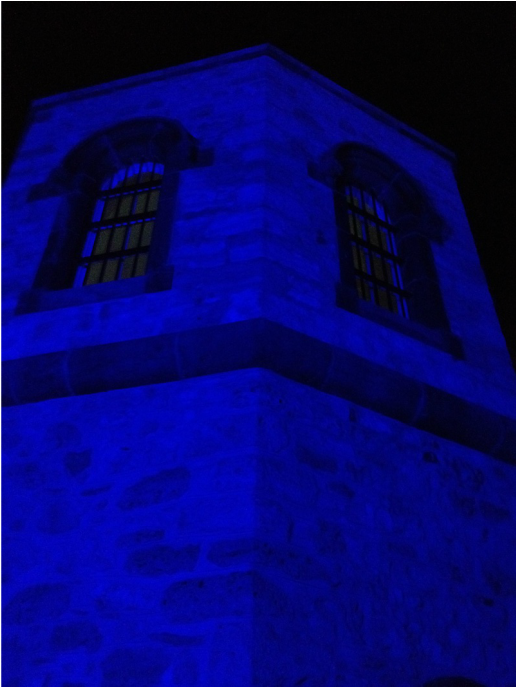
Guards tower at night with the blue lights reflecting against it. Photo taken in 2013
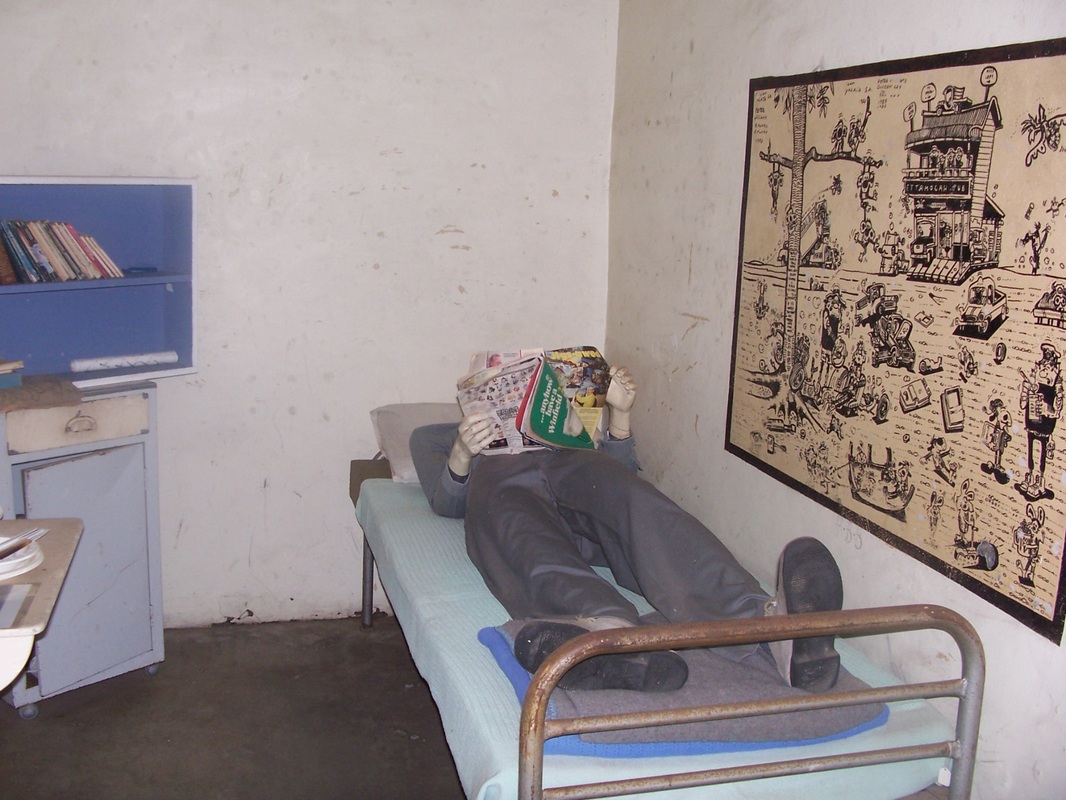
Cell in yard four. Photo taken in 2006
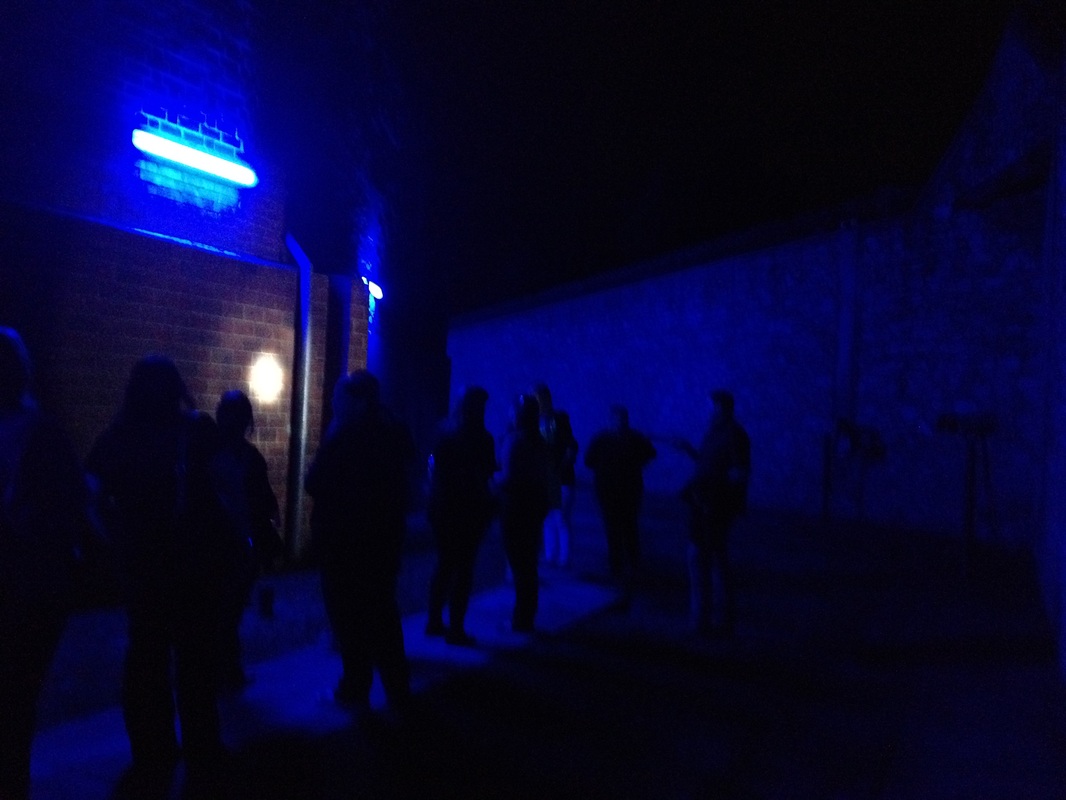
Ghost tour I conducted looking at the grave of Glen Sabre Valance. Photo taken 2012.
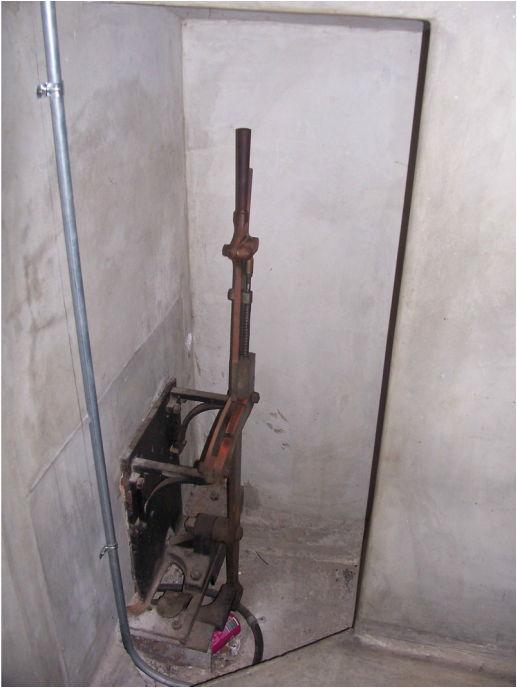
Execution lever, hanging tower. Photo taken 2006.
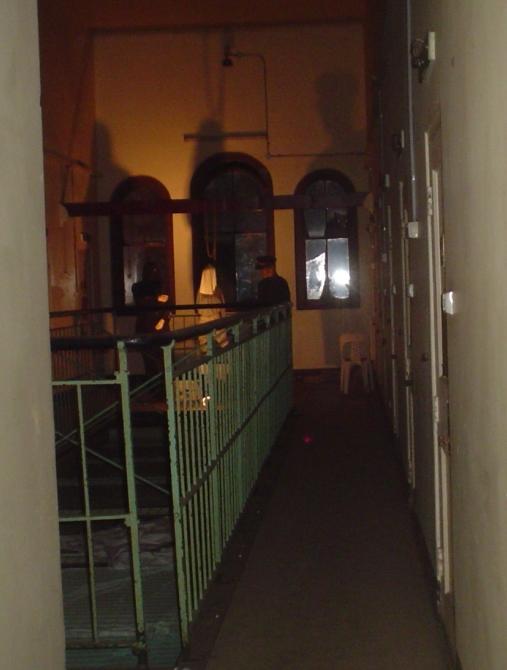
A-wing, New Building. Permanent gallows. Photo taken 2006.
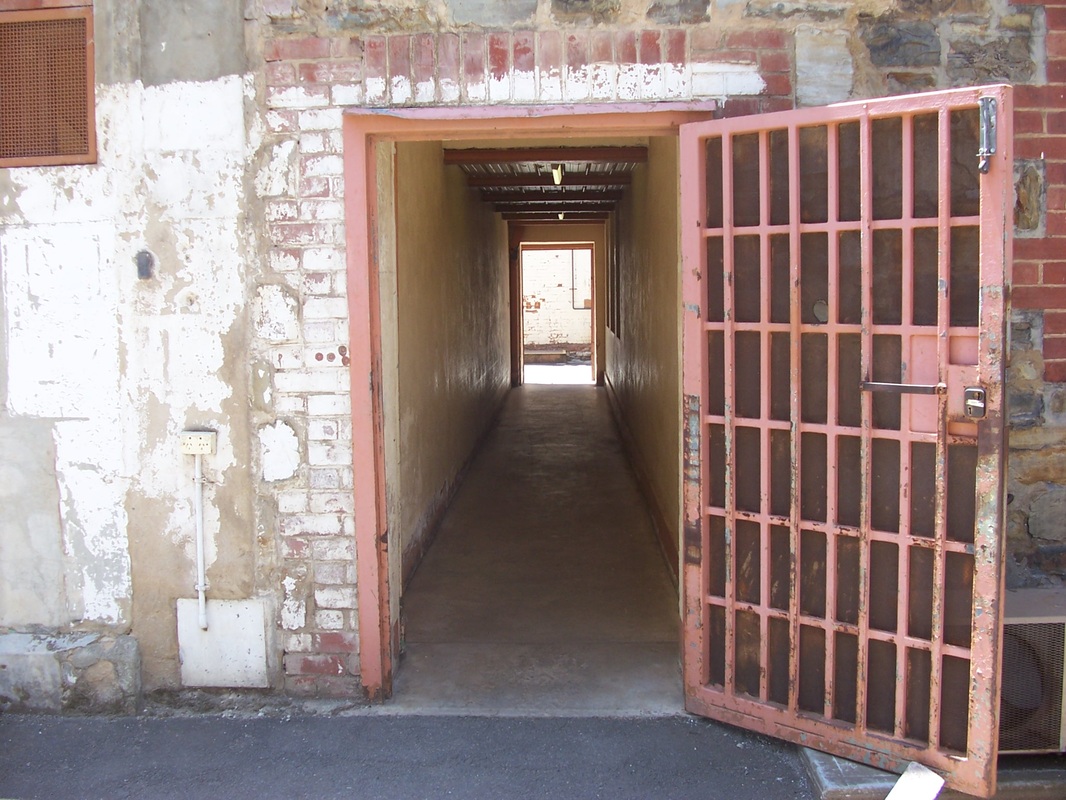
Tunnel to New Building. Photo taken 2005.
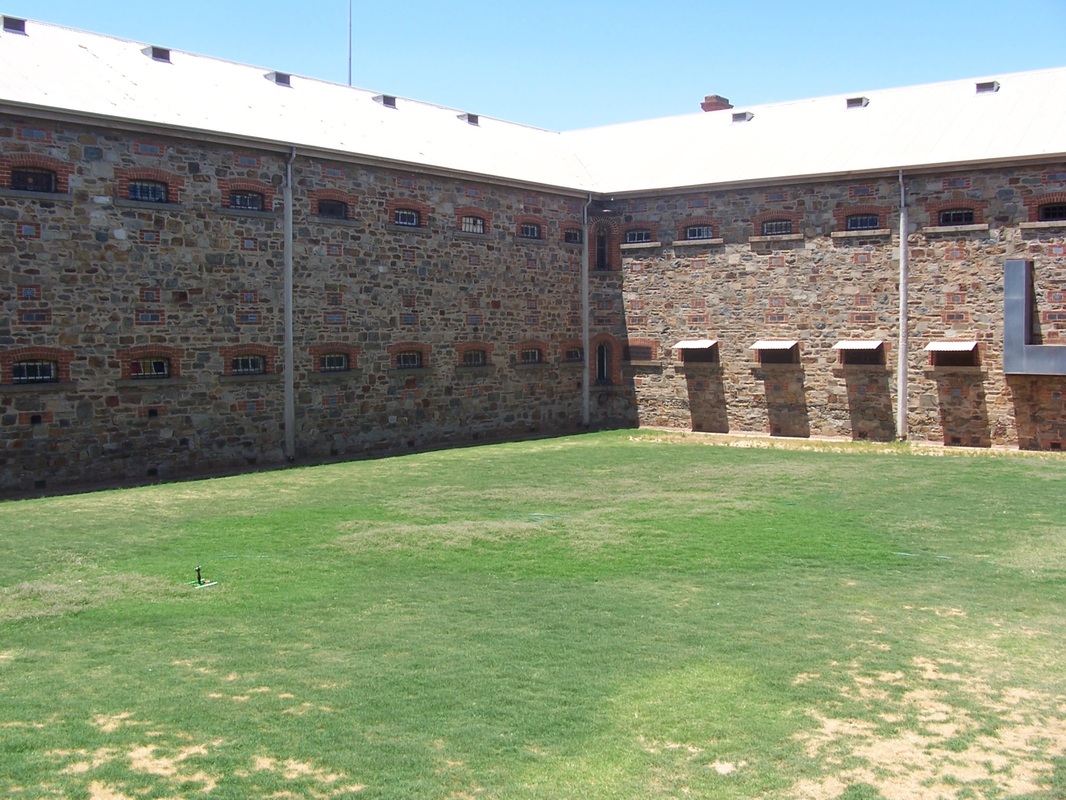
Lawned area behind the New Building. Photo taken 2007.
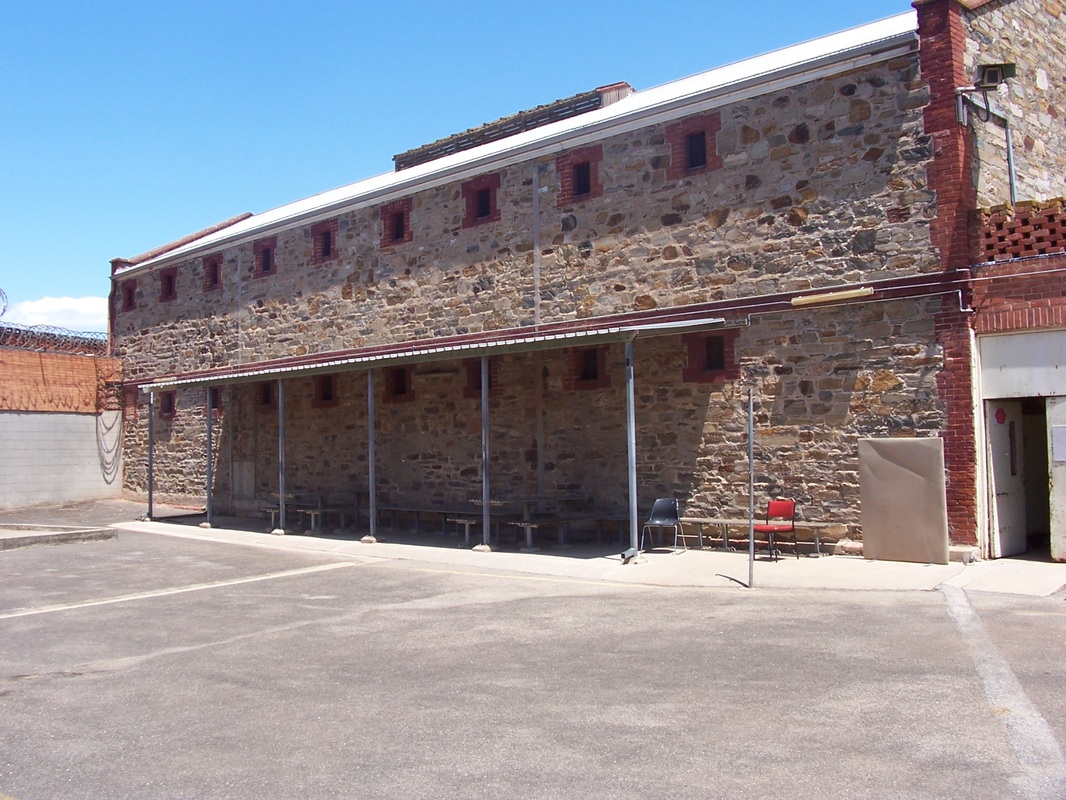
Exercise yard New Building. Photo taken 2007.
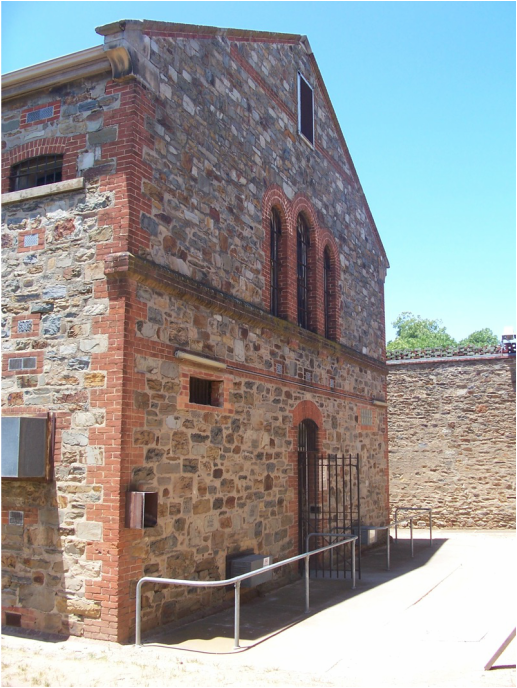
Rear of A-wing, New Building. Seven graves along back wall. Photo taken 2007.
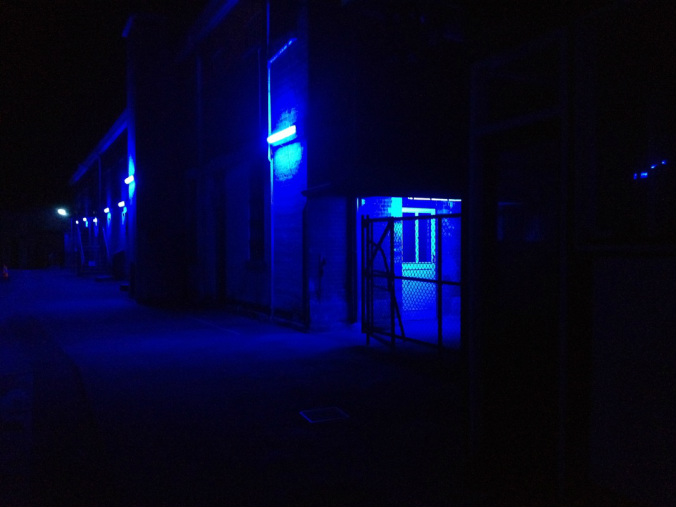
Main laneway at night. Photo taken 2012.
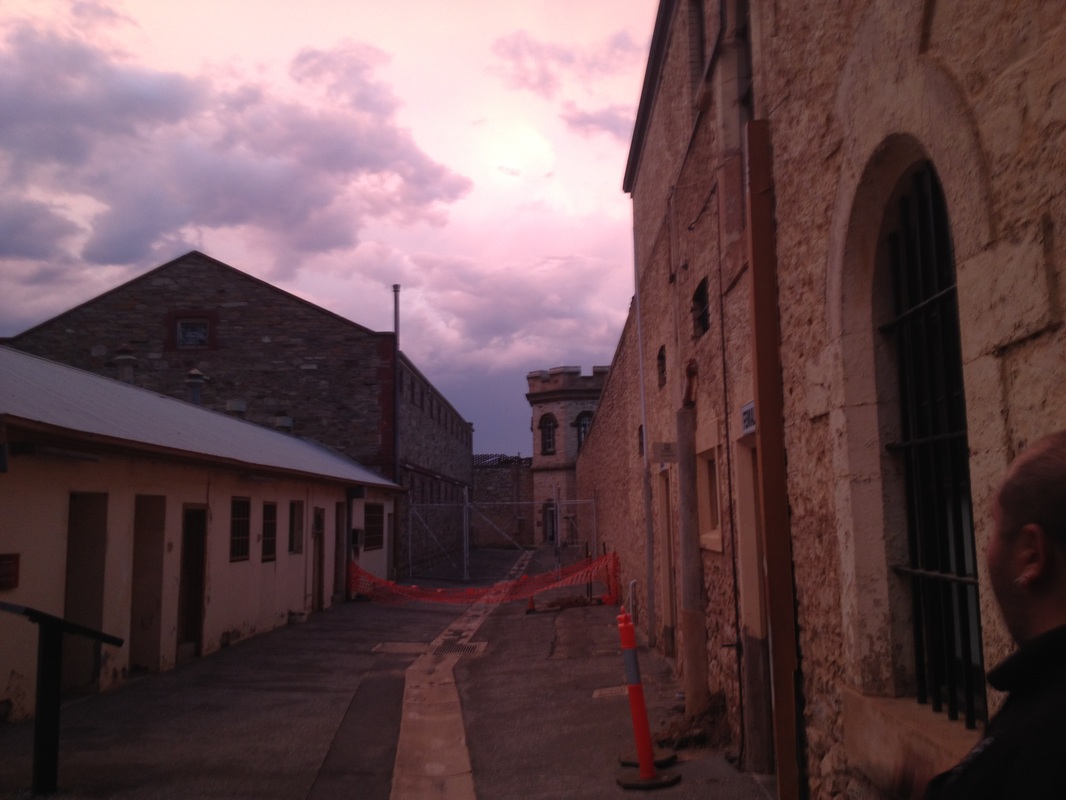
Main laneway, looking towards original cellblock. Photo taken 2013.
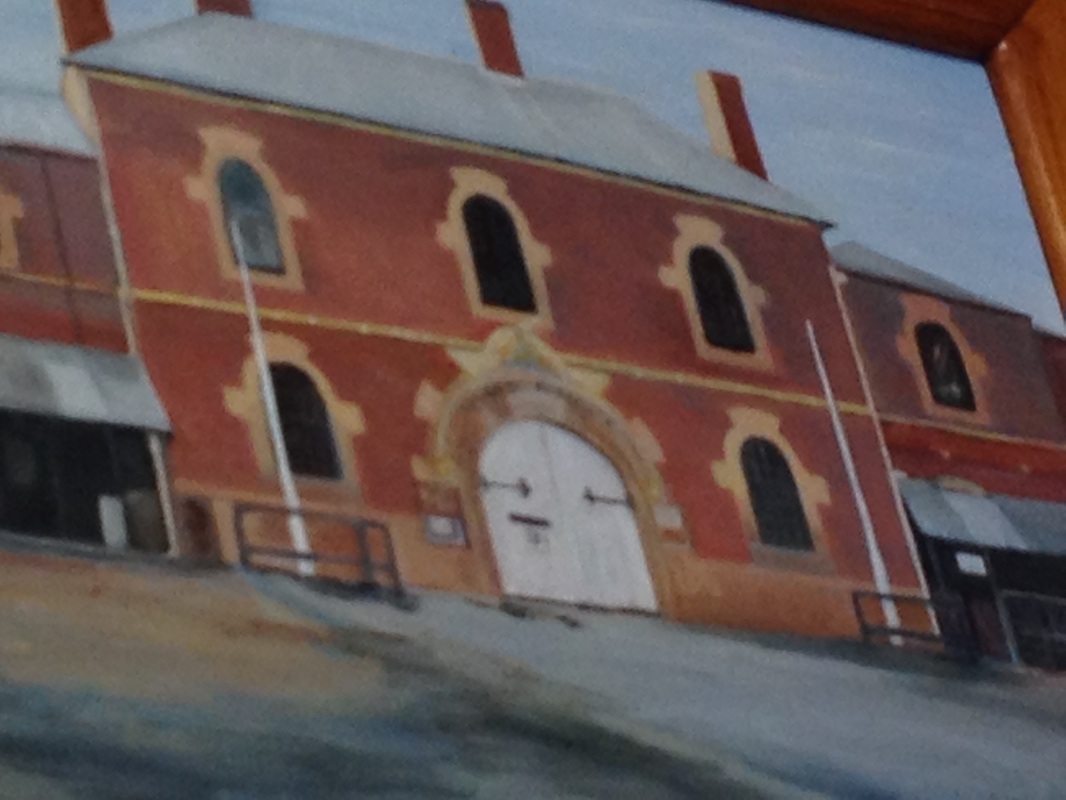
Painting of the Adelaide Gaol. My daughter took this photo, to get the unusual effect. Photo taken in 2013.
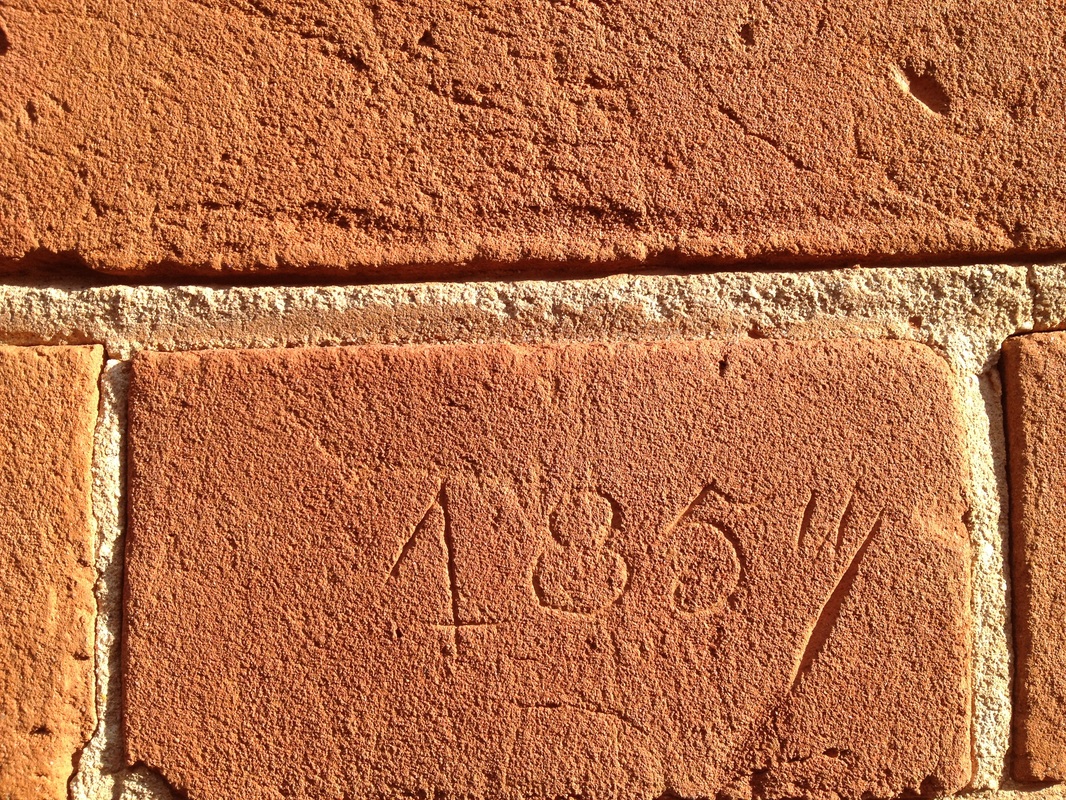
Very early graffity on gaol wall. Photo taken 2012
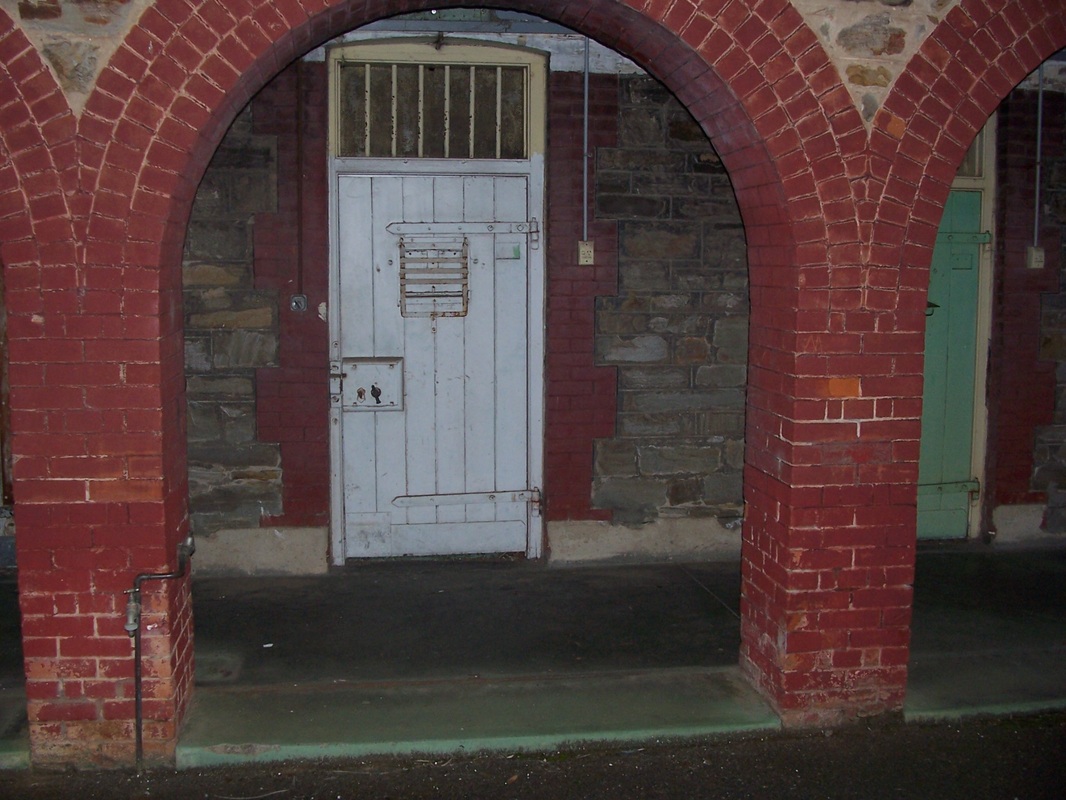
Cell in yard three. Photo taken in 2010
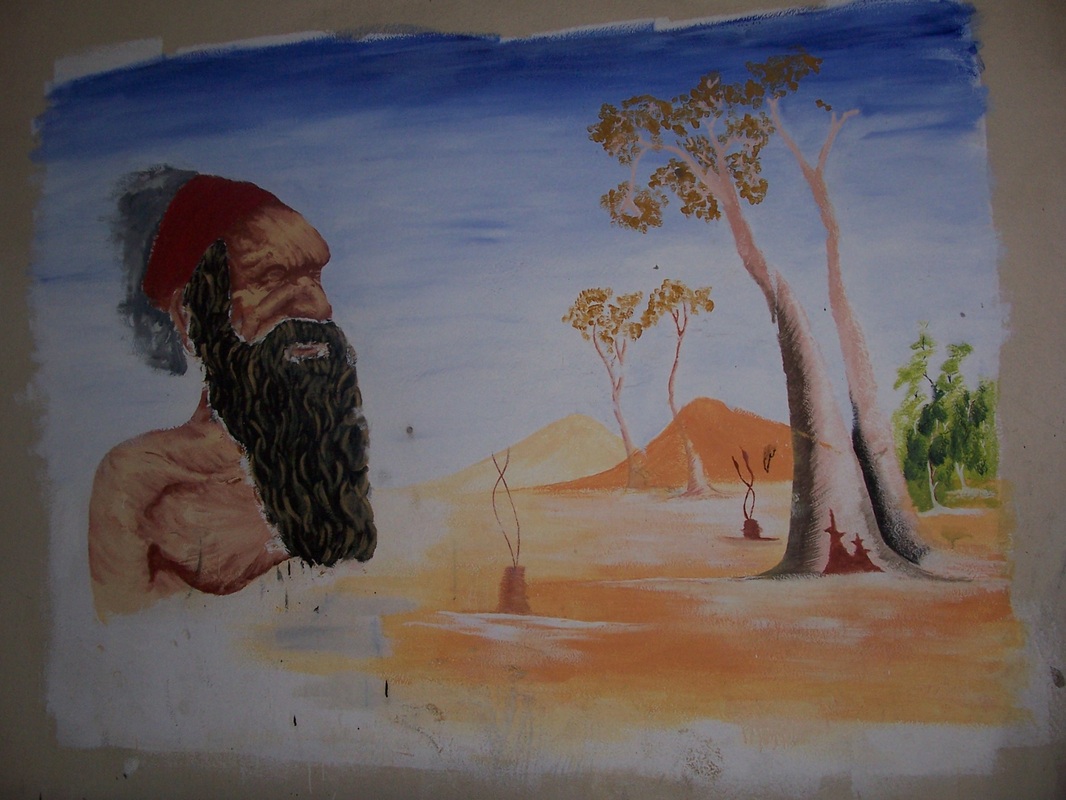
Painting on the back wall of the remand cellblock. Photo taken 2010
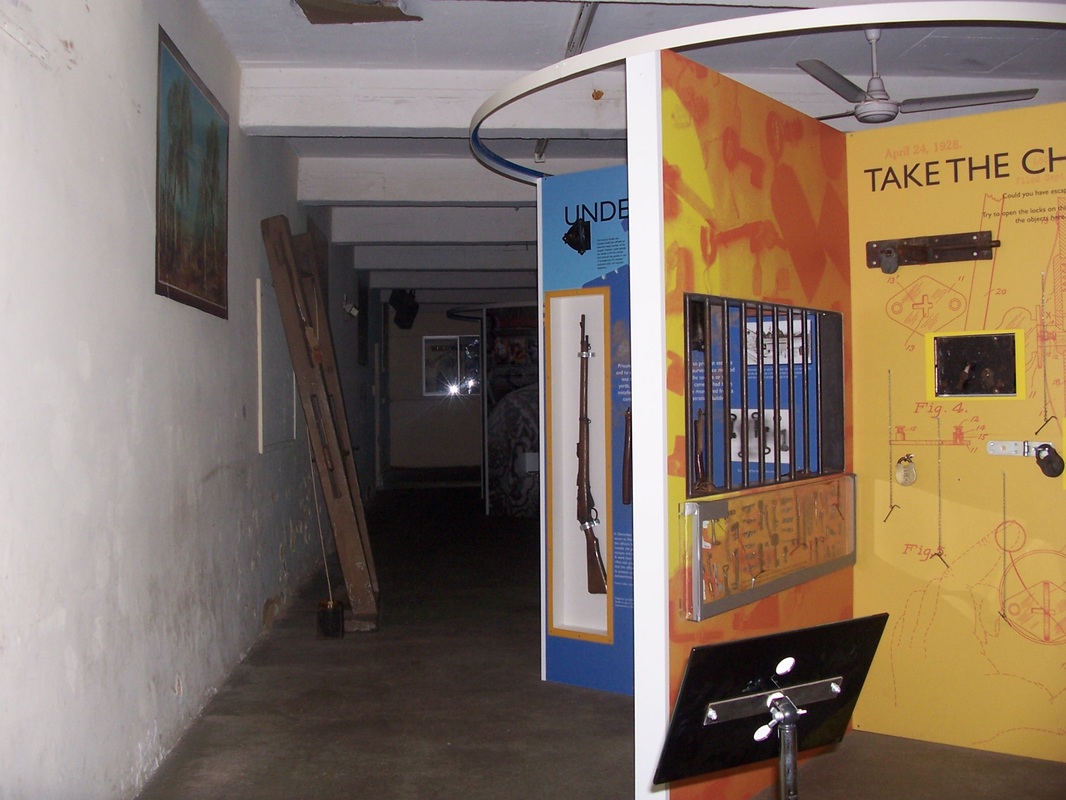
Remand centre. Up dated displays. Photo taken 2010.
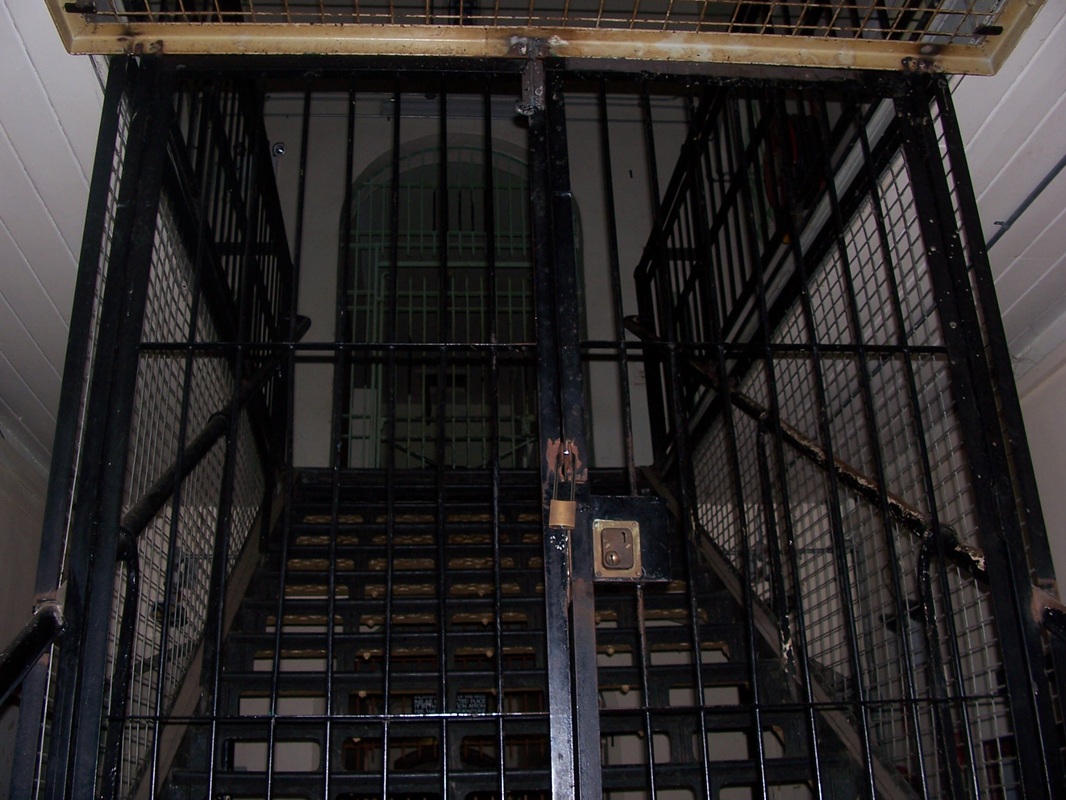
Staircase, New Building. Photo taken 2011
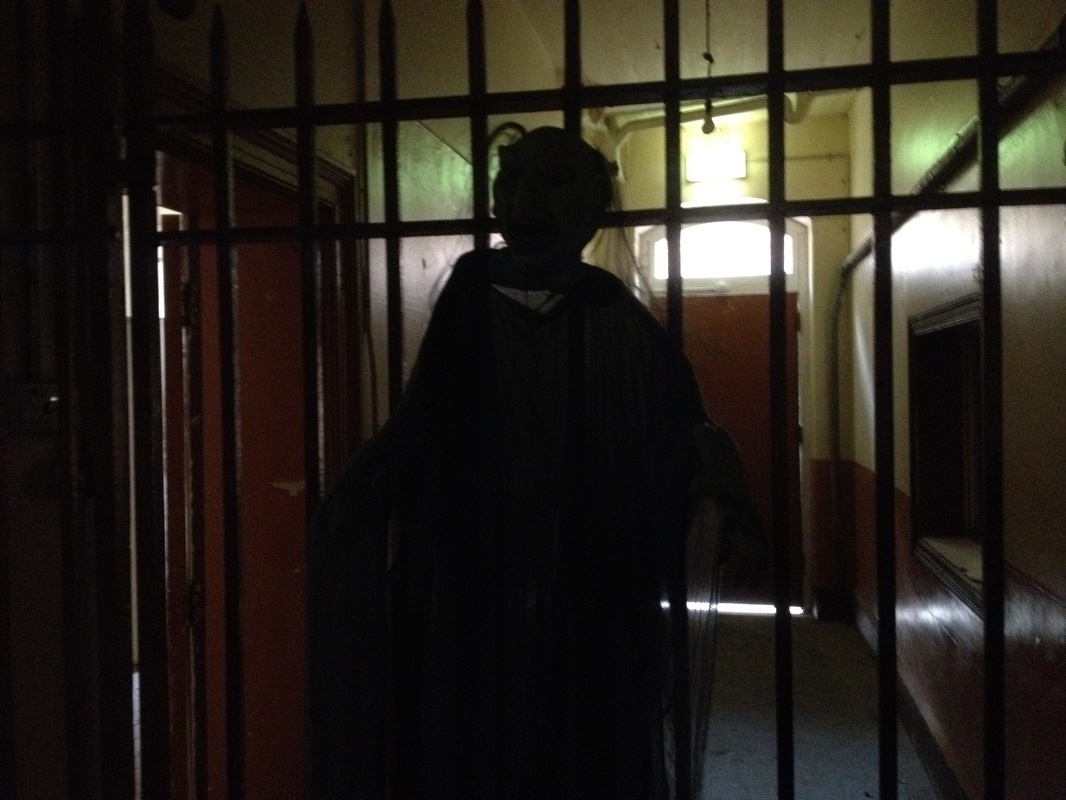
Halloween at the Gaol. Photo taken 2011
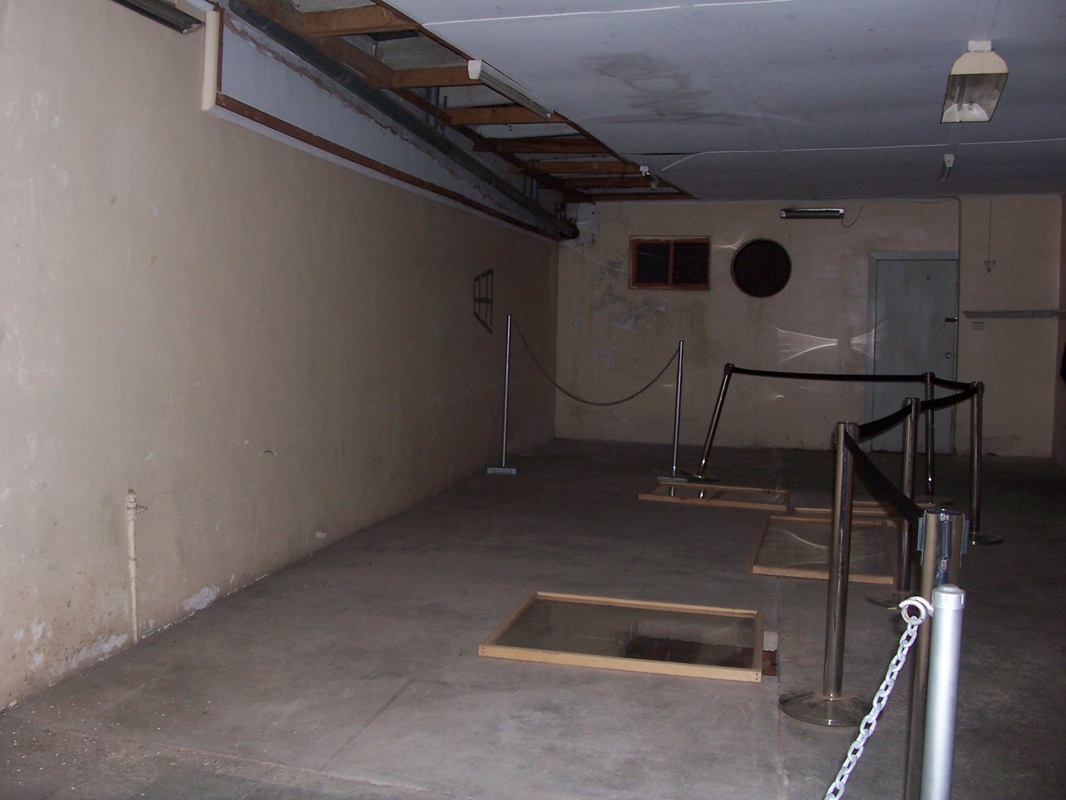
Inside womens kitchen, yard two. Archaeological dig by the Adelaide Museum. Photo taken 2010.
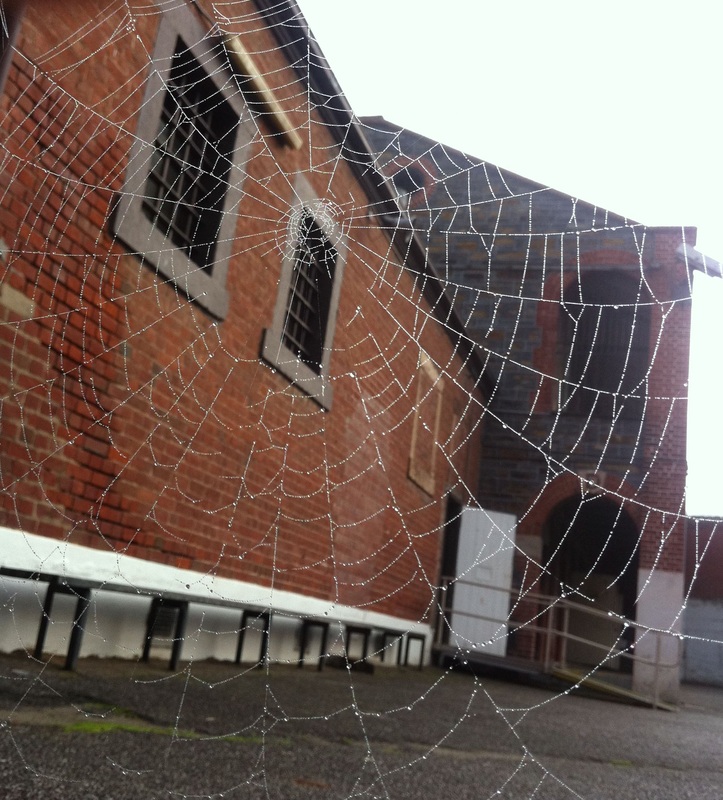
Photo taken by my 11 year old daughter of a spider web in yard 4. Photo taken in 2013.
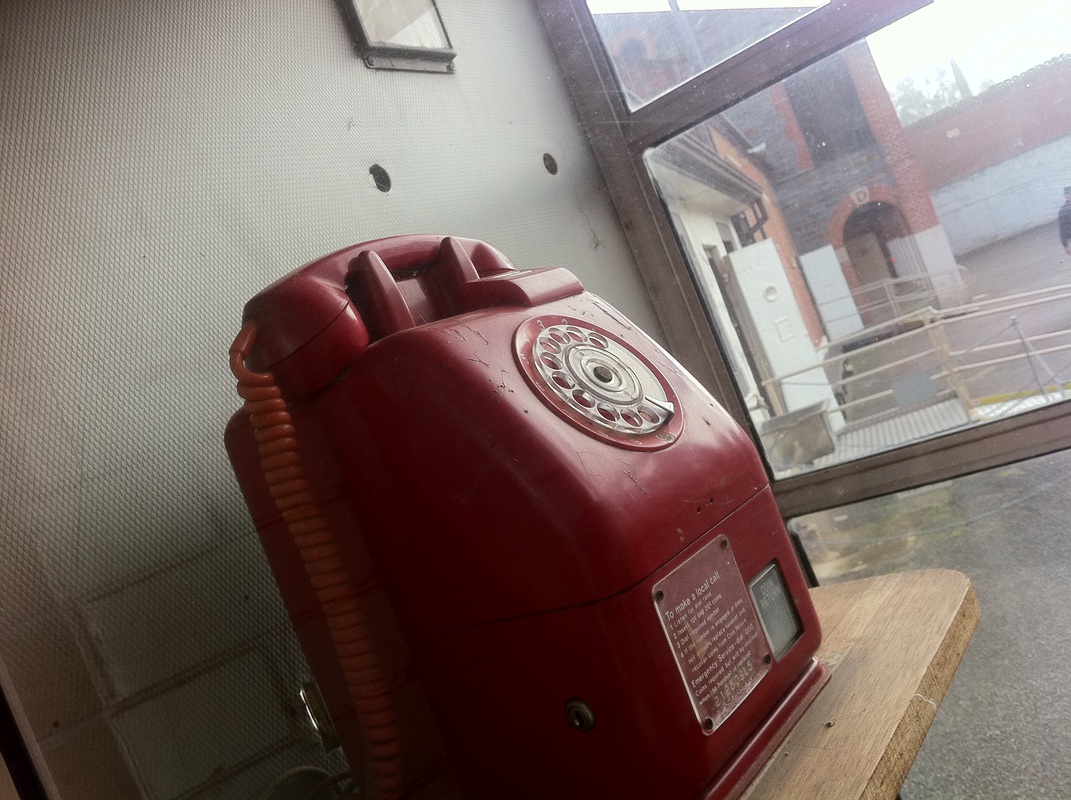
Red telephone in yard 4. Photo taken by my daughter keely. Photo taken in 2013.
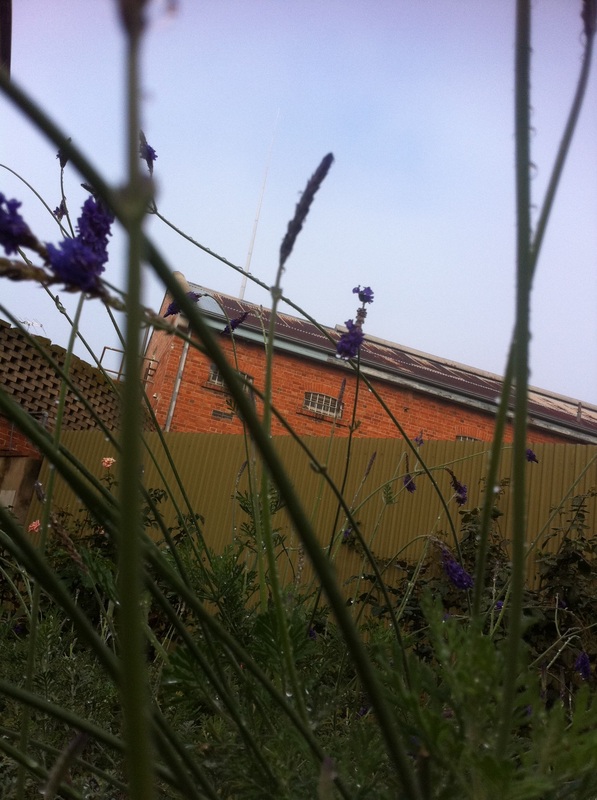
Lavander bush in the Rose garden, Adelaide Gaol. Photo taken by Keely. Photo taken in 2013
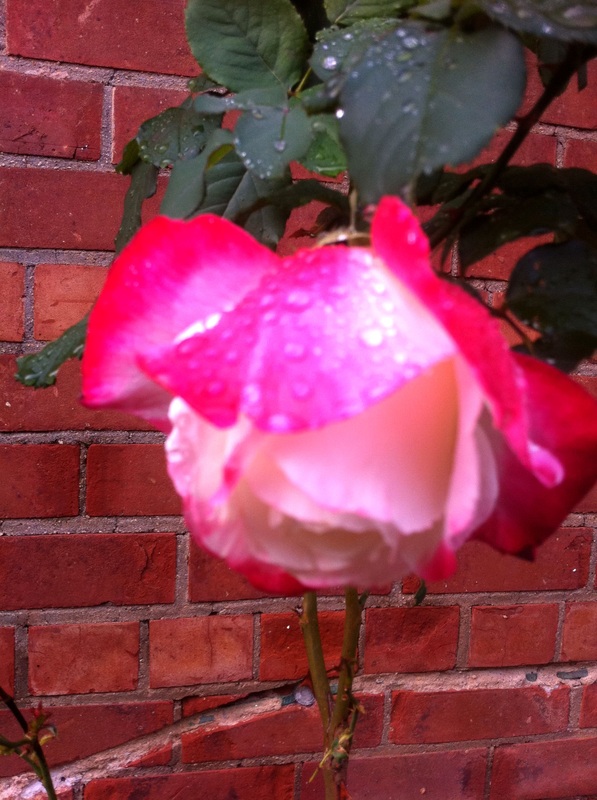
A rose in the rose garden, Adelaide Gaol. Photo by Keely. Photo taken in 2013.
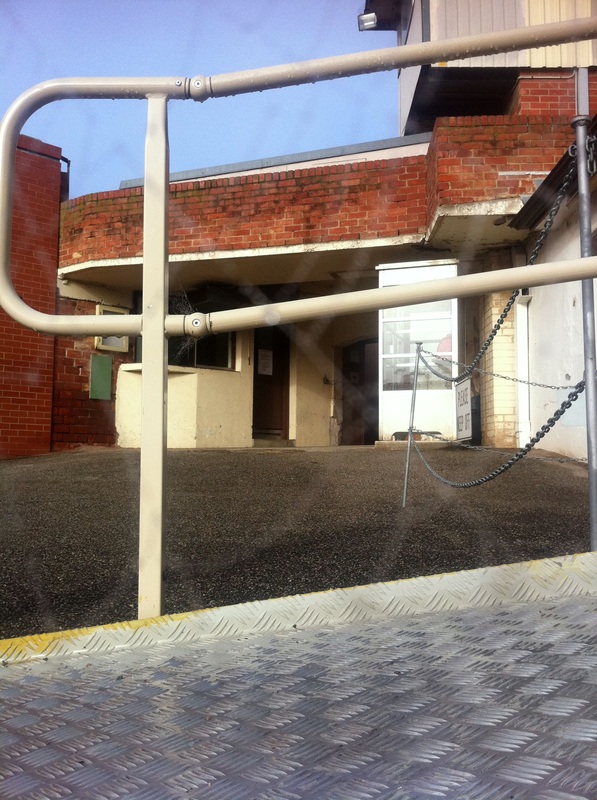
Looking towards the entrance of yard 4, Adelaide Gaol. Photo taken by Keely. Photo takne in 2013.
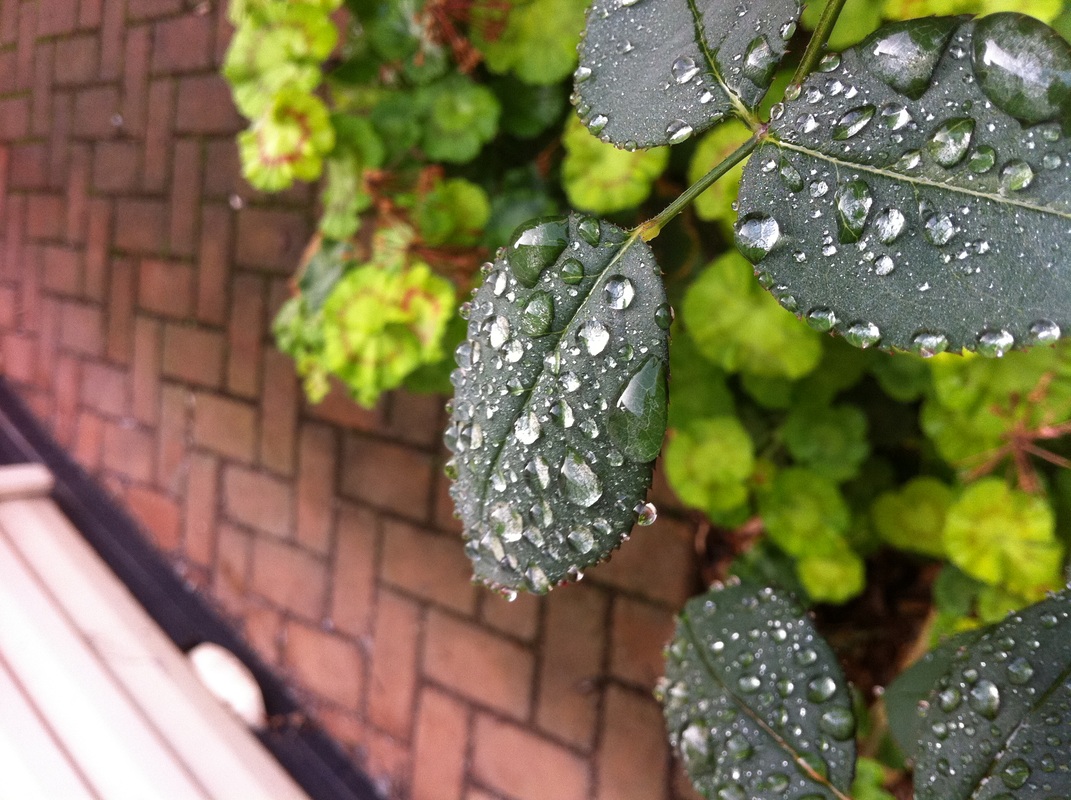
Dew droplets on a rose bush, in the rose garden. Adelaide Gaol. Photo taken by Keely in 2013.
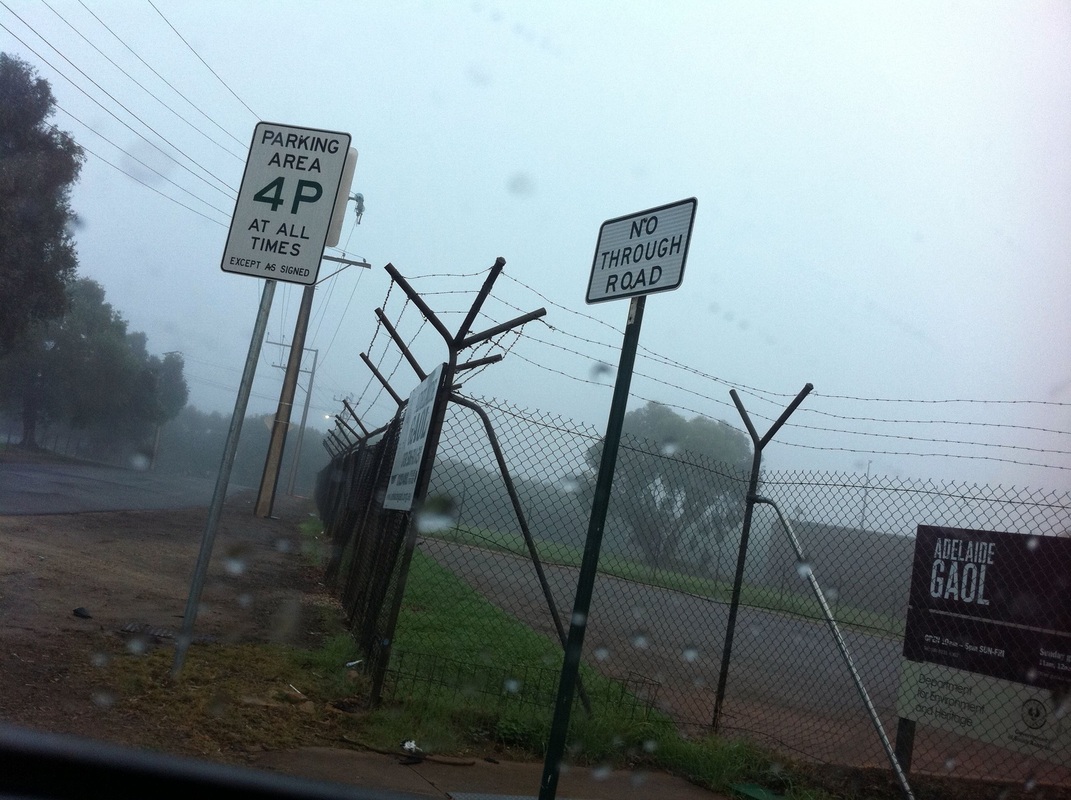
Entrance to the Adelaide Gaol on a foggy morning. Photo taken by Keely in 2013. .
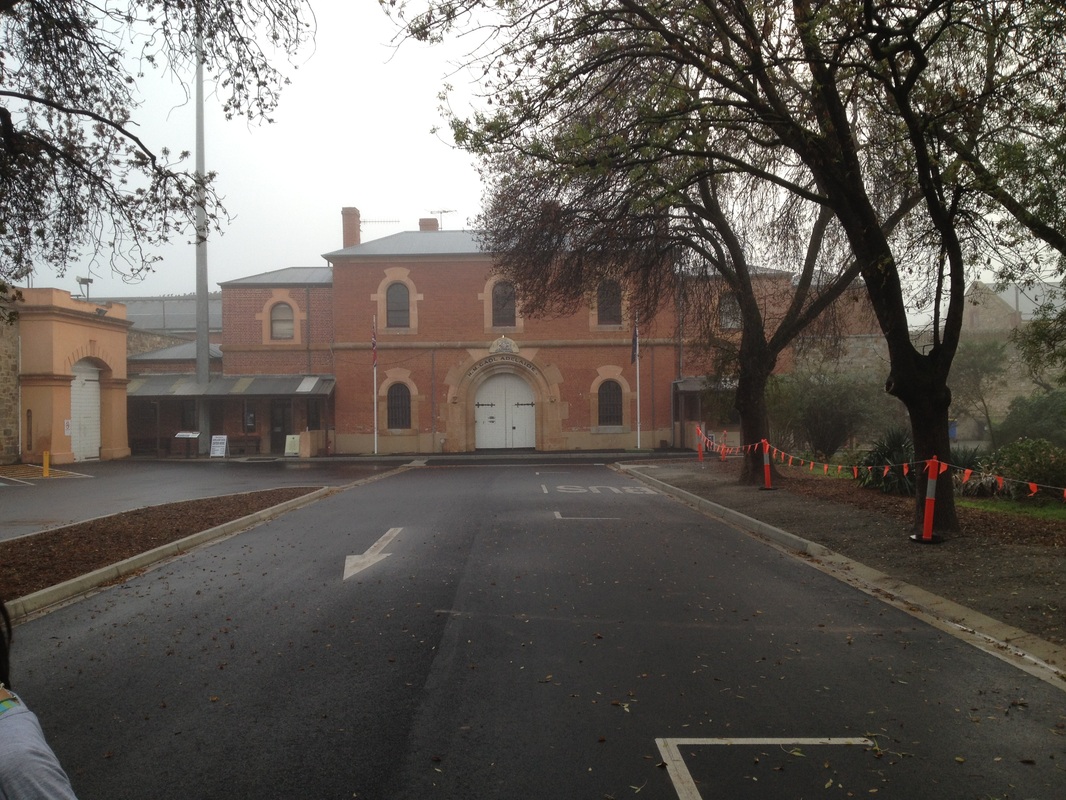
Adelaide Gaol on a foggy morning. Photo taken in 2013.
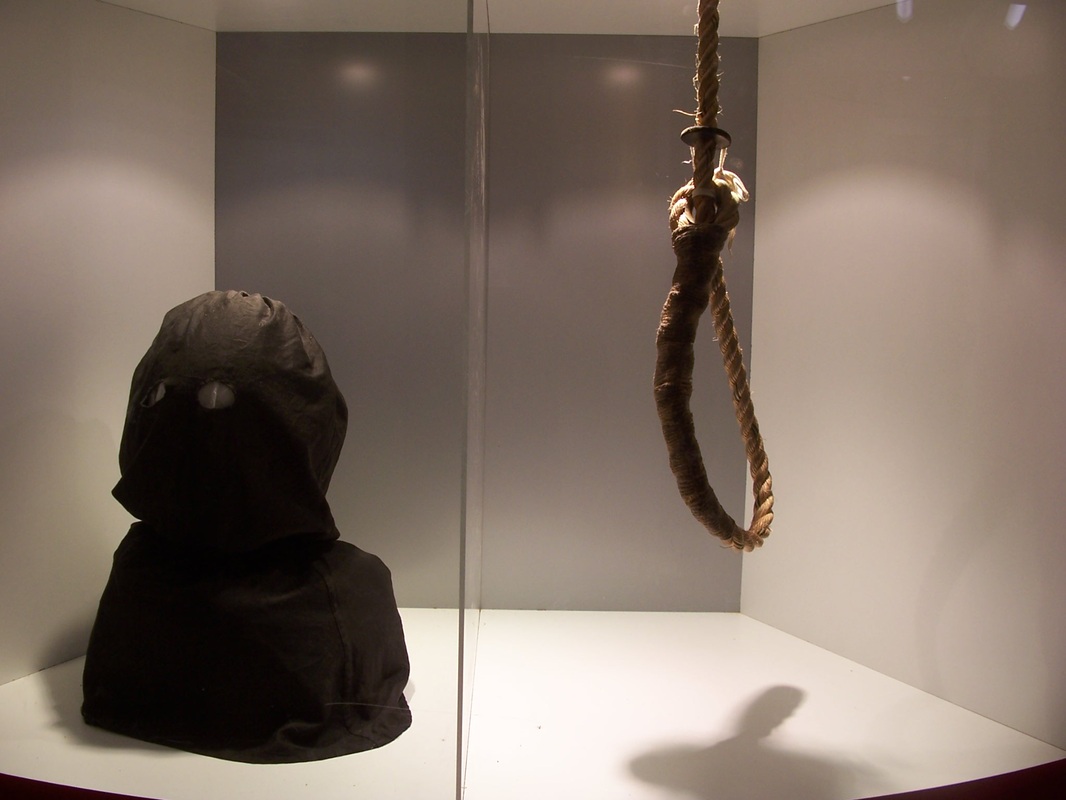
Hanging rope and hangmans hood. Photo taken in 2013.
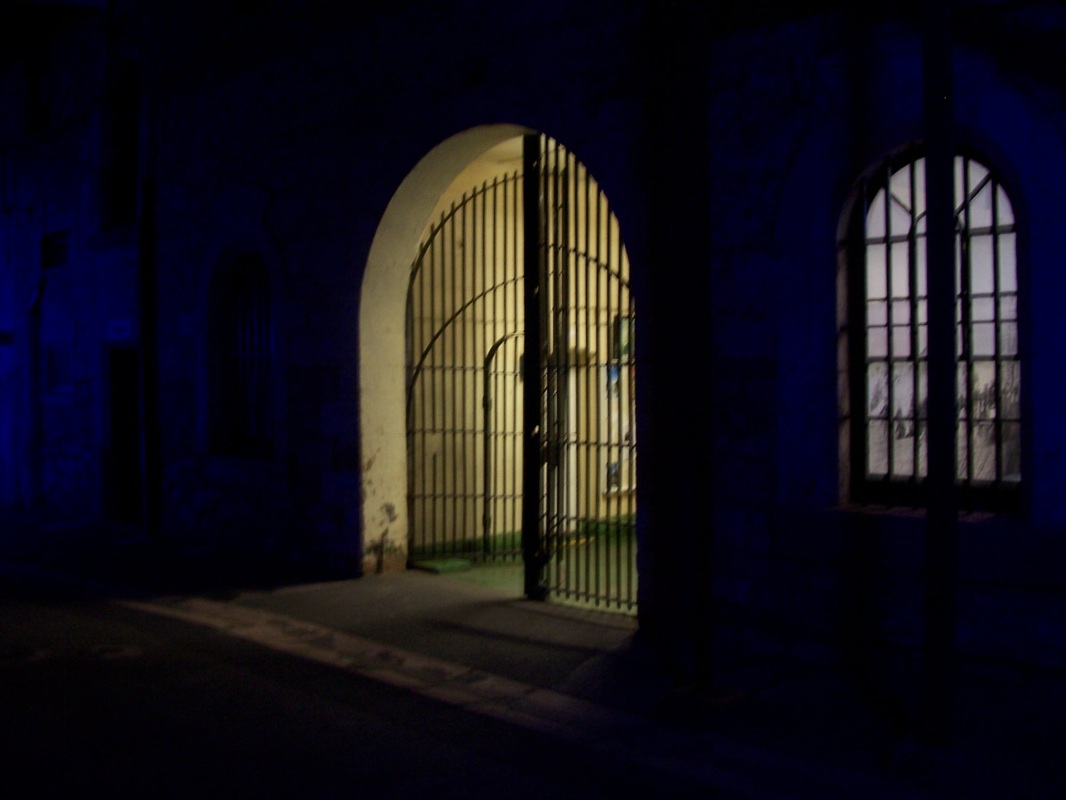
Sally Port at night. Photo taken in 2012.
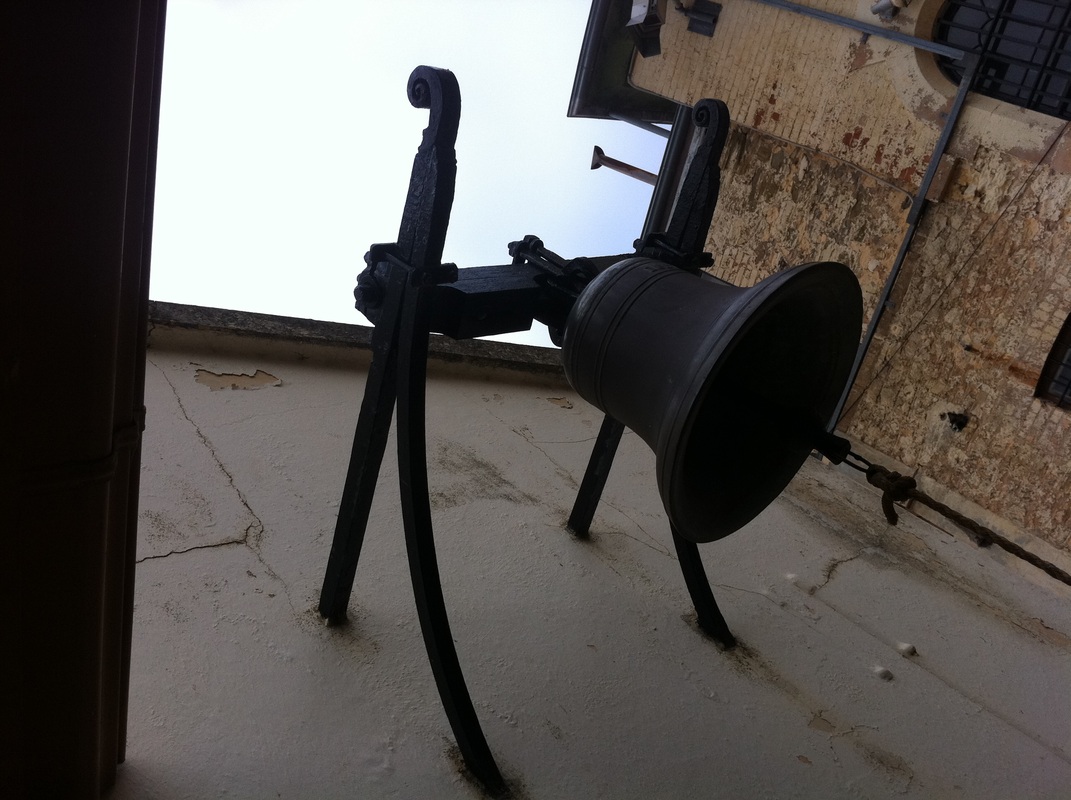
Adelaide Gaol Bell. Photo taken by Keely in 2013.
